



Why Your Asphalt Driveway Needs Regular Repair and Sealcoating
The intro is already written, include it as is and ensure the rest of the article is consistent with the intro.
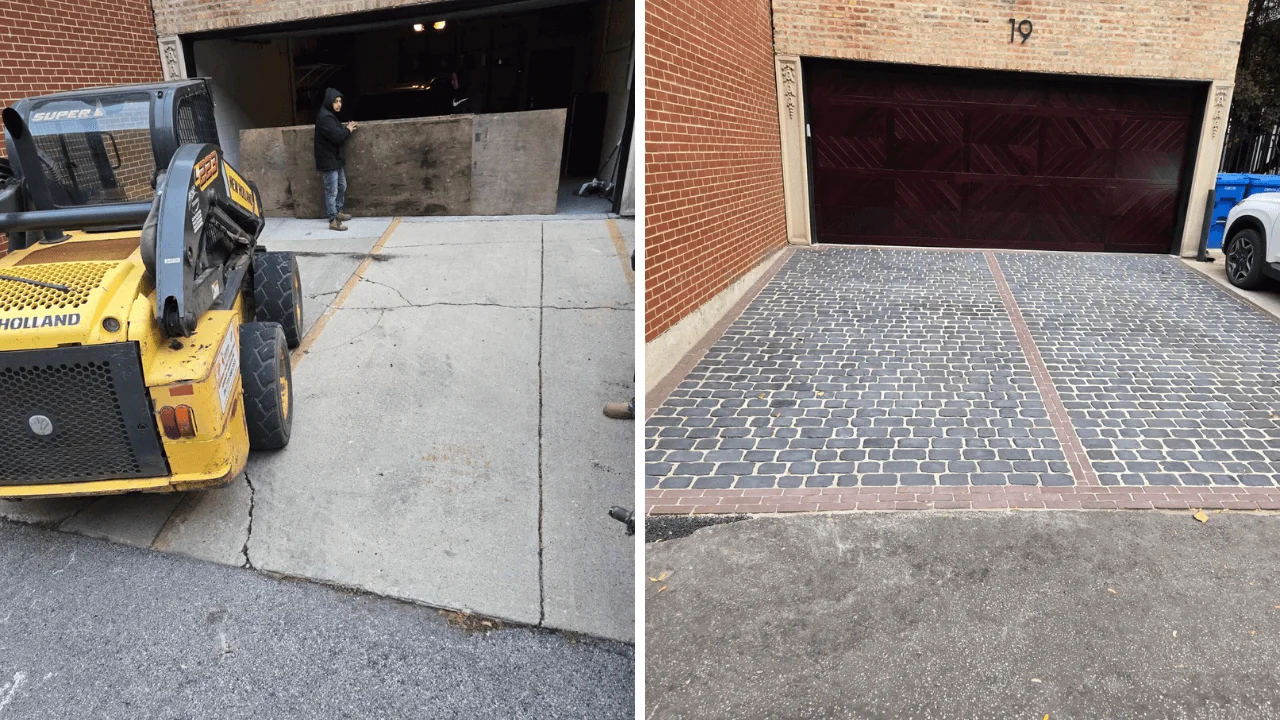
Driveway repair and sealcoating is the most cost-effective way to protect your asphalt investment and keep your home looking sharp.
Here’s what you need to know at a glance:
| Topic | Quick Answer |
|---|---|
| How often to sealcoat | Every 2-3 years for most driveways |
| Best time of year | Late spring through early fall |
| Dry time | Touch-dry in 1-4 hours; full cure in 24-48 hours |
| Sealcoating vs. resurfacing | Sealcoating protects the surface; resurfacing adds new asphalt |
| Repair before sealing? | Yes — always fix cracks and potholes first |
| Typical resurfacing cost | $2.00-$4.00 per sq ft for residential driveways |
Your driveway takes a beating every single day. In the Chicago suburbs, that means brutal freeze-thaw cycles, road salt, summer UV exposure, and oil drips from daily driving. Over time, asphalt’s natural binder breaks down, the surface fades from black to gray, and small cracks turn into big problems.
The good news? Most driveways don’t need to be replaced. Regular maintenance — cleaning, crack repair, and a fresh coat of sealer — can add years of life to your pavement and save thousands of dollars compared to full replacement.
This guide walks you through everything a homeowner needs to know: when to repair, when to seal, what the process looks like, and how to avoid getting taken advantage of by low-quality contractors.
Relevant articles related to driveway repair and sealcoating:
Understanding Driveway Repair and Sealcoating
To understand why professional maintenance is so critical, we have to look at what asphalt actually is. Your driveway is made of stone aggregate, sand, and a liquid asphalt binder (bitumen) that holds it all together. When first installed, this binder is flexible, dark, and highly water-resistant.
However, as soon as the asphalt is exposed to the elements, a process called oxidation begins. UV rays from the sun break down the chemical bonds of the bitumen. This causes the driveway to lose its rich black color, turning a chalky gray. As the binder degrades, the surface becomes brittle, leading to unraveling where fine sand and stones begin to wash away.
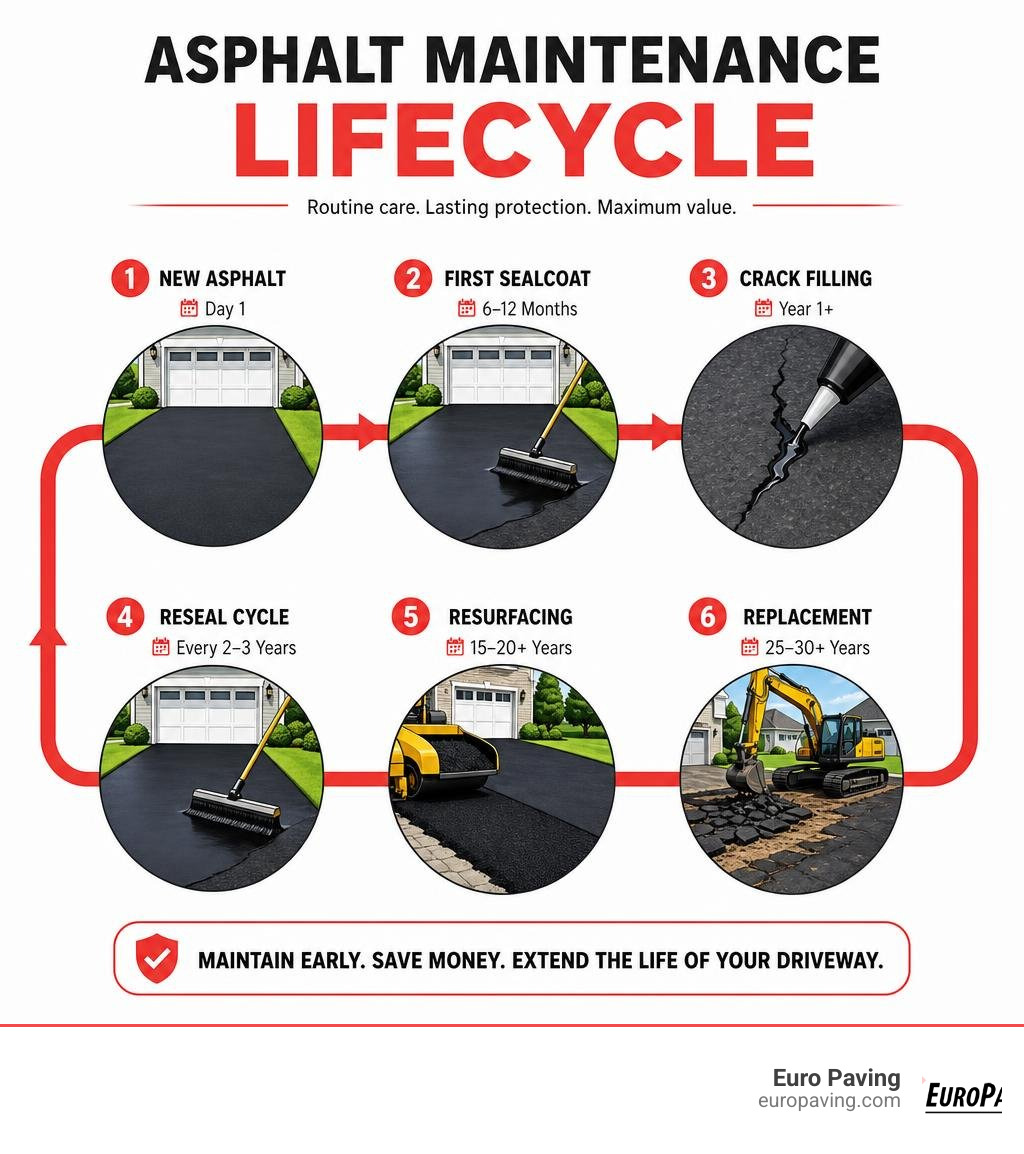
Without professional intervention, water penetrates these newly formed microscopic pores. In the Chicago area, this water freezes, expands, and shatters the surrounding pavement from the inside out. By investing in timely Asphalt Repair & Resurfacing, you halt this cycle of decay. Sealcoating acts as a sacrificial wear barrier, absorbing the brunt of UV rays, water, and chemical spills so your structural asphalt stays completely protected.
Key Differences: Sealcoating vs. Full Asphalt Resurfacing
Many homeowners confuse sealcoating with resurfacing, but they are entirely different processes designed for different stages of a driveway’s lifespan.
- Sealcoating is a preventive maintenance service. It involves applying a thin, protective liquid coating over an existing, structurally sound asphalt surface. It does not add structural strength, nor does it level out deep depressions. It is designed to beautify and protect.
- Asphalt Resurfacing (Overlay) is a restorative, structural repair. If your driveway’s surface is heavily worn but the underlying gravel sub-base remains solid, we install a new 1.5- to 2-inch layer of hot-mix asphalt directly over the old surface.
Resurfacing restores the structural integrity of your pavement at a fraction of the cost of a complete replacement. If you are trying to decide which path is right for your property, you can read our detailed guide on whether to Resurface or Replace Your Driveway Today.
When to Choose Driveway Repair and Sealcoating Over Replacement
How do you know if your driveway is a candidate for a simple repair and sealcoat, or if it requires a total tear-out?
If your driveway has minor surface fading, a handful of isolated cracks (under a half-inch wide), or a small pothole on an otherwise firm foundation, professional driveway repair and sealcoating is the perfect, cost-effective solution.
However, if you notice widespread “alligator cracking” (interlocking cracks that resemble reptile skin), deep ruts, or areas where the pavement is physically sinking, these are classic signs of sub-base failure. When the gravel foundation underneath the asphalt washes away or collapses, no amount of sealant will save it. In those cases, full replacement or a deep structural renovation is required. To learn more about navigating these choices safely, check out our resource on Driveway Renovation: Avoiding Common Problems.
The Science of Asphalt Protection: Weather, UV, and Chemical Defense
The climate in Cook County and DuPage County is notoriously brutal on outdoor paved surfaces. Our driveways must withstand dramatic seasonal temperature swings, shifting from scorching summer heat to sub-zero winter freezes.
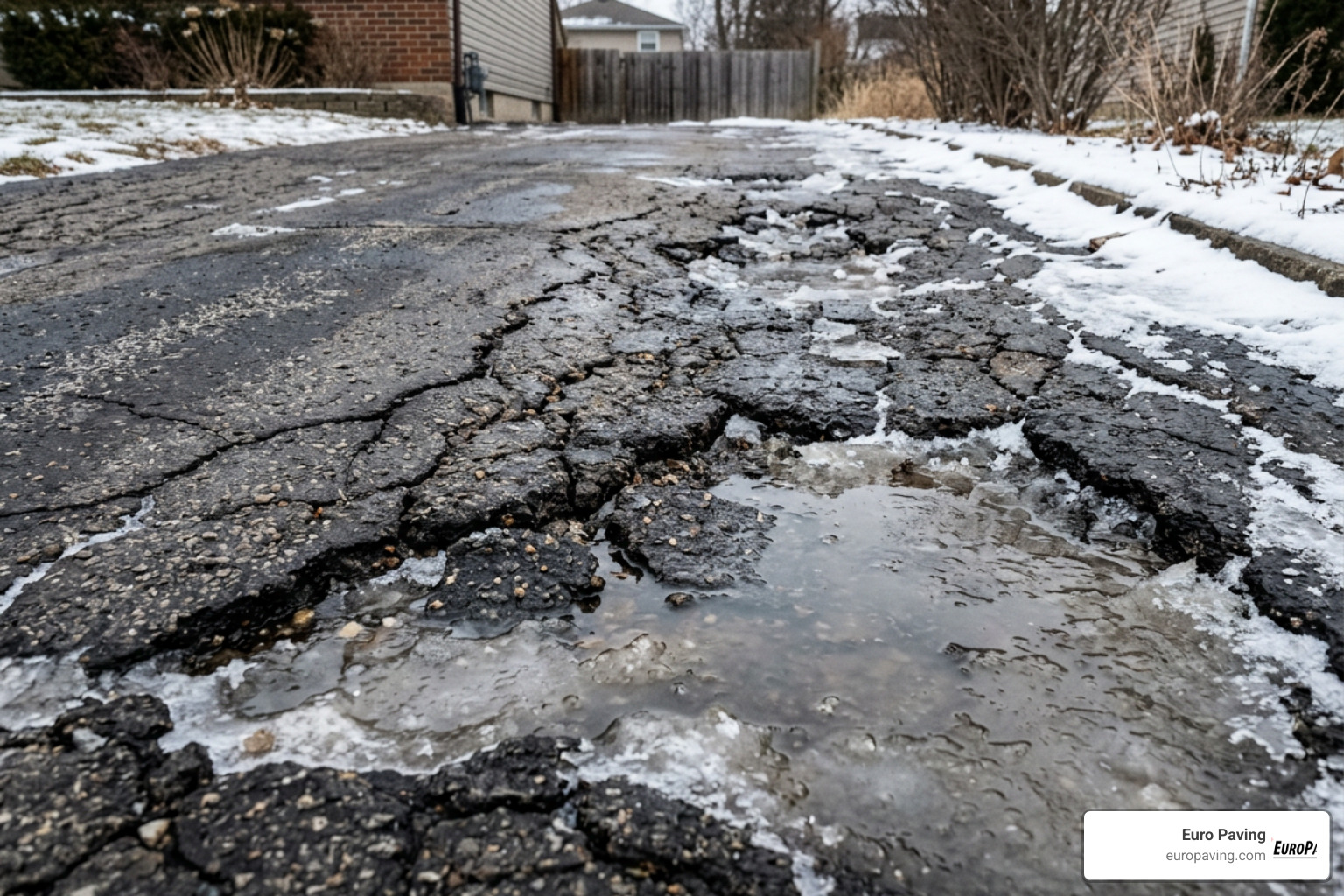
When water gets into unsealed asphalt, the freeze-thaw cycle acts like a slow-motion jackhammer. When water freezes, it expands by about 9%. This expansion forces the aggregate apart. When the ice melts, it leaves behind a larger void, ready to trap even more water during the next freeze.
Furthermore, winter brings heavy applications of road salt. While salt keeps our vehicles safe, the runoff accelerates the freeze-thaw damage by increasing the number of freeze cycles the water undergoes.
Additionally, automotive fluids like motor oil, gasoline, and transmission fluid are petroleum-based solvents. Because asphalt binder is also petroleum-based, any oil spill will chemically dissolve the binder on contact, quickly turning your solid driveway into loose, mushy gravel.
A premium polymer-modified sealer creates an impenetrable shield. It prevents water from soaking into the pores, blocks UV rays from drying out the bitumen, and resists chemical breakdown from oil and salt. To keep your pavement from breaking down prematurely, follow these essential Don’t Let Your Driveway Crumble with These Maintenance Tips.
Signs Your Driveway Needs Professional Attention Before Sealing
You should never apply sealcoating directly over a damaged driveway. Doing so is like painting over rotten wood—it might look fine for a few weeks, but the underlying issues will quickly ruin the finish. Before any sealant is applied, a thorough inspection must be conducted to identify and address structural defects.
Key warning signs include:
- Standing Water: Low spots or depressions that collect water indicate drainage issues or localized sub-base settling. If left unaddressed, these spots will quickly turn into potholes. You can protect your home’s drainage by reading Don’t Let Your Driveway Go Down the Drain.
- Edge Crumbling: The edges of an asphalt driveway are its weakest points. If they aren’t properly supported, they will crack and break away under vehicle weight. Be sure to Fix Your Asphalt Driveway Edge Before It Crumbles to preserve your driveway’s footprint.
- Deep Cracks: Any crack wider than a quarter-inch must be professionally sealed with hot rubberized crack filler to prevent water intrusion.
Identifying Structural Damage vs. Surface Wear
It is vital to distinguish between cosmetic surface wear and deep structural damage.
| Feature | Surface Wear (Sealcoat Candidate) | Structural Damage (Requires Repair/Replacement) |
|---|---|---|
| Color | Faded gray, dull appearance | Gray with deep rust or dirt staining in cracks |
| Cracking | Hairline cracks, minor surface checking | Alligator cracking, deep fissures over 1/2″ wide |
| Depressions | Minor birdbaths (under 1″ deep) | Sunken aprons, deep tire ruts, shifting base |
| Texture | Slightly rough, loss of fine sand | Crumbling edges, loose chunks of asphalt |
If your driveway displays signs of structural failure, such as sinking near the garage door (sunken aprons) or widespread alligator cracking, applying a sealcoat will do nothing to solve the problem. These cracks will reflect right back through the new sealer within a matter of weeks. Cracks Kill Your Curb Appeal and destroy your property value if they aren’t repaired correctly by professionals.
The Professional Driveway Repair and Sealcoating Process
Achieving a flawless, long-lasting finish requires commercial-grade equipment, premium materials, and meticulous preparation. Professional contractors do not cut corners, because they know that 90% of a sealcoating job’s success is determined before the sealer bucket is even opened.
Step-by-Step Preparation and Crack Repair
When professionals prepare a driveway for sealcoating, they follow a rigorous, multi-step process:
- Edging and Trimming: Overgrown grass and weeds along the edges of the driveway are mechanically trimmed back to expose the entire asphalt edge.
- Deep Cleaning: The surface is swept and cleared of all loose debris. High-powered commercial blowers and pressure washers are used to clear dirt out of every pore.
- Tannin and Oil Treatment: Shaded driveways under oak, maple, or willow trees often accumulate organic tannins that prevent sealers from bonding. These areas are treated with specialized cleaning solutions. Oil spots are heat-flashed and primed with an acrylic-based prep agent so the sealer can adhere to the oily surface.
- Crack Sealing: Cracks between 1/8 inch and 1/2 inch wide are cleaned of dirt and vegetation, then filled with hot-pour, rubberized joint sealant. This material remains flexible throughout Chicago’s shifting seasons, expanding and contracting without tearing. To understand the mechanics of this step, see How to Repair Driveway Cracks.
- Patching: Deep potholes or broken sections are cut out, filled with hot-mix asphalt, and compacted to restore a level surface.
Professional Application of Driveway Repair and Sealcoating
Once the repairs are complete and fully cured, the sealcoat is applied. Professional contractors use high-quality, polymer-modified, coal-tar-free sealers mixed with silica sand for added traction and durability.
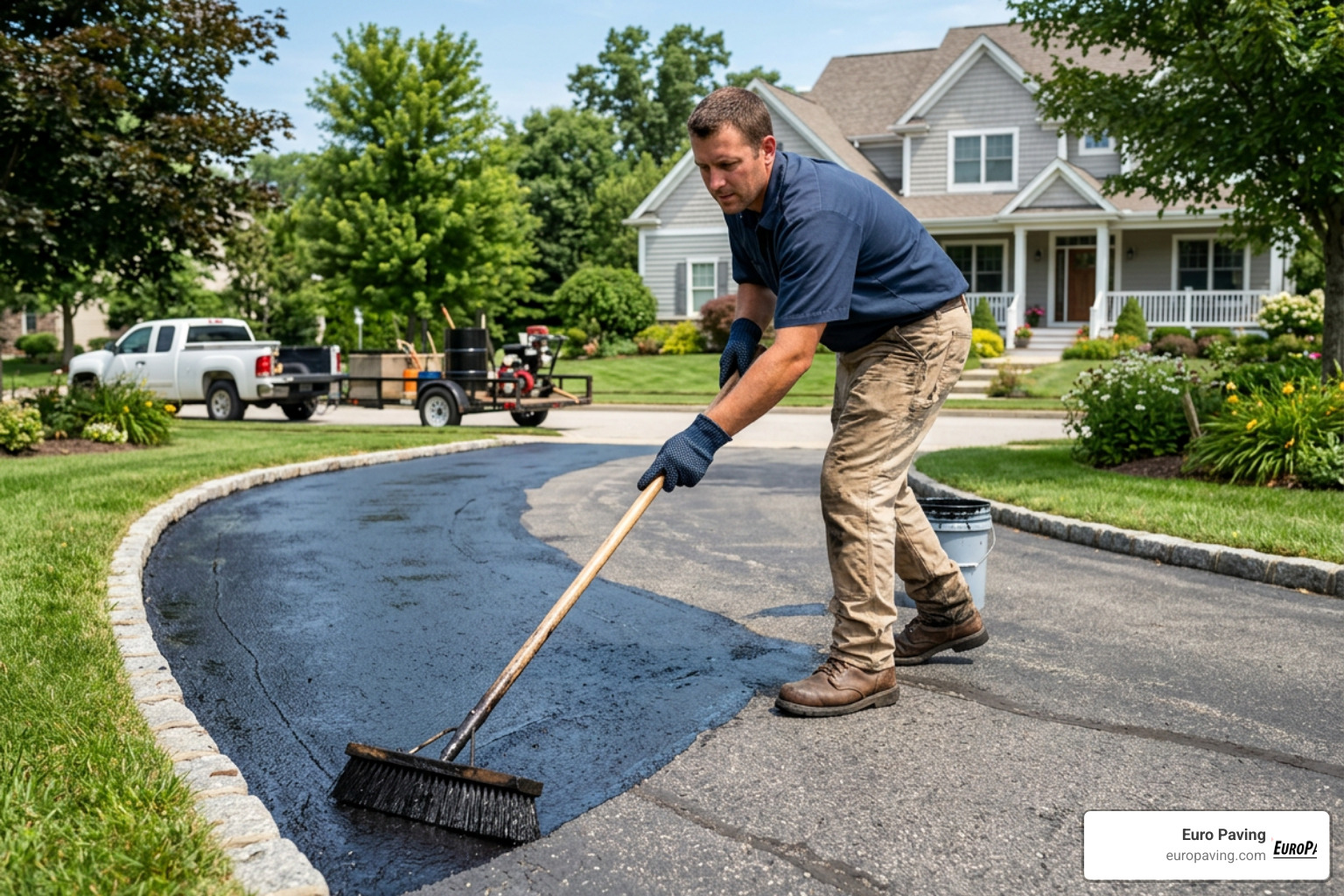
Unlike cheap DIY spray kits that apply a paper-thin layer, professional crews use a double brushstroke technique or hand-drawn squeegees. Hand-brushing forces the sealer deep into the pores of the asphalt, leaving a thicker, more uniform protective barrier.
After application, the driveway must be blocked off. It is typically dry to the touch within 1 to 4 hours, but vehicles must be kept off the surface for a full 24 to 48 hours to allow the polymer chains to fully cure and harden. For a deeper look at patching and repair timelines, check out The Ultimate Asphalt Patching Guide for Homeowners.
Investment and Longevity: What to Expect
Investing in professional asphalt maintenance yields incredible financial returns by delaying the need for a costly driveway replacement.
A professional sealcoat typically lasts 2 to 3 years, depending on traffic volume, sun exposure, and winter weather severity. For the average home, maintaining a strict 2-year cycle of crack filling and sealcoating is the sweet spot for optimal protection.
To help you budget for your home’s exterior maintenance, here is a breakdown of typical costs and lifespans for residential pavement services in the Chicago suburbs:
| Service Type | Average Cost Range | Expected Lifespan | Primary Benefit |
|---|---|---|---|
| Professional Sealcoating | $0.15 – $0.35 per sq ft | 2 – 3 Years | Prevents water/UV damage, beautifies |
| Hot-Pour Crack Repair | $1.50 – $3.00 per linear foot | 1 – 3 Years | Stops water intrusion to sub-base |
| Asphalt Resurfacing (Overlay) | $2.00 – $4.00 per sq ft | 8 – 15 Years | Restores structural wear on sound base |
| Full Asphalt Replacement | $5.00 – $10.00 per sq ft | 15 – 25 Years | Brand-new foundation and surface |
If you want to dive deeper into these cost structures and find out which option fits your current budget, explore our resource on Asphalt Repair & Resurfacing.
Frequently Asked Questions About Asphalt Maintenance
How often should I schedule sealcoating for my driveway?
For most residential driveways in areas like Norridge, Skokie, and Hinsdale, we recommend sealcoating every 2 to 3 years. However, certain factors can alter this timeline.
If your driveway has heavy tree canopy cover, the constant moisture and organic tannins may require more frequent cleaning and sealing. Similarly, driveways on steep inclines or those subjected to heavy snowplowing and heavy winter road salt will wear down faster, making a 2-year cycle essential to prevent premature unraveling.
How long does it take for driveway sealant to dry and cure?
While a professional-grade sealer will dry to the touch in 1 to 4 hours under warm, sunny conditions, it is not ready for vehicle traffic yet.
We advise keeping pedestrian traffic off the driveway for at least 4 hours, and keeping all cars, trucks, and heavy equipment off the surface for a minimum of 24 to 48 hours. Driving on the sealer before it has fully cured can cause tire scuffing, tracking onto your garage floor, and permanent damage to the protective barrier.
What are common scams to avoid when hiring a sealcoating contractor?
The asphalt maintenance industry is unfortunately famous for “door-to-door” summer scams. To protect your home and your wallet, beware of these red flags:
- The “Leftover Material” Pitch: A contractor knocks on your door claiming they “just finished a job down the street” and have leftover sealer they can apply for a steep discount. Reputable companies mix their materials precisely for scheduled jobs and do not sell leftovers door-to-door.
- Watered-Down Sealer: Scam artists often dilute their sealer with excessive water to make it go further. This watered-down product looks great when wet, but it will wash away with the first heavy rain.
- Gilsonite “Oil-Based” Scams: Beware of contractors offering cheap, fast-drying “oil-based” sealers. These are often cutbacks mixed with harsh solvents that will actually dissolve the bitumen binder in your asphalt, permanently softening and ruining your driveway. Always insist on commercial-grade, water-based polymer emulsions.
For peace of mind, always work with established local contractors who hold proper licensing, carry robust liability insurance, and have verifiable track records in local suburbs like Lake Forest, Northbrook, and Arlington Heights. For professional local services, you can reference trusted regional specialists such as Asphalt Paving Arlington Heights, IL or Asphalt Paving and Maintenance Contractor Norridge, IL .
Conclusion
Regular driveway repair and sealcoating is an essential part of protecting your home’s exterior, maintaining curb appeal, and extending the life of your asphalt driveway. By understanding the science behind asphalt oxidation and ensuring that repairs are handled professionally before sealing, you can save thousands of dollars in premature replacement costs.
However, if you are tired of the endless cycle of sealing, cracking, and patching every few years, there is a more beautiful, permanent solution.
At Europa Paving, we specialize in transforming ordinary driveways into breathtaking, high-end design statements. While asphalt is functional, nothing matches the timeless elegance, durability, and prestige of a custom brick paver driveway. Brick pavers do not require sealcoating every two years, they do not crack under freeze-thaw cycles, and they instantly elevate your home’s property value.
Whether you are located in Elmhurst, Hinsdale, Norridge, or Arlington Heights, our team is ready to help you design a stunning, family-friendly outdoor space. To explore premium paving options that will last a lifetime, we invite you to 7 Benefits of Sealcoating Your Brick Driveway or learn about Brick Paving Sealer Coating for existing paver installations.
Ready to take your home’s curb appeal to the next level? Schedule a consultation for your brick paving driveway project with the design experts at Europa Paving today!