



Why Choosing the Right Pavers for a Walkway Can Transform Your Home’s First Impression
Choosing the best pavers for a walkway is one of the highest-impact upgrades a homeowner can make — and one of the easiest to get wrong without the right guidance.
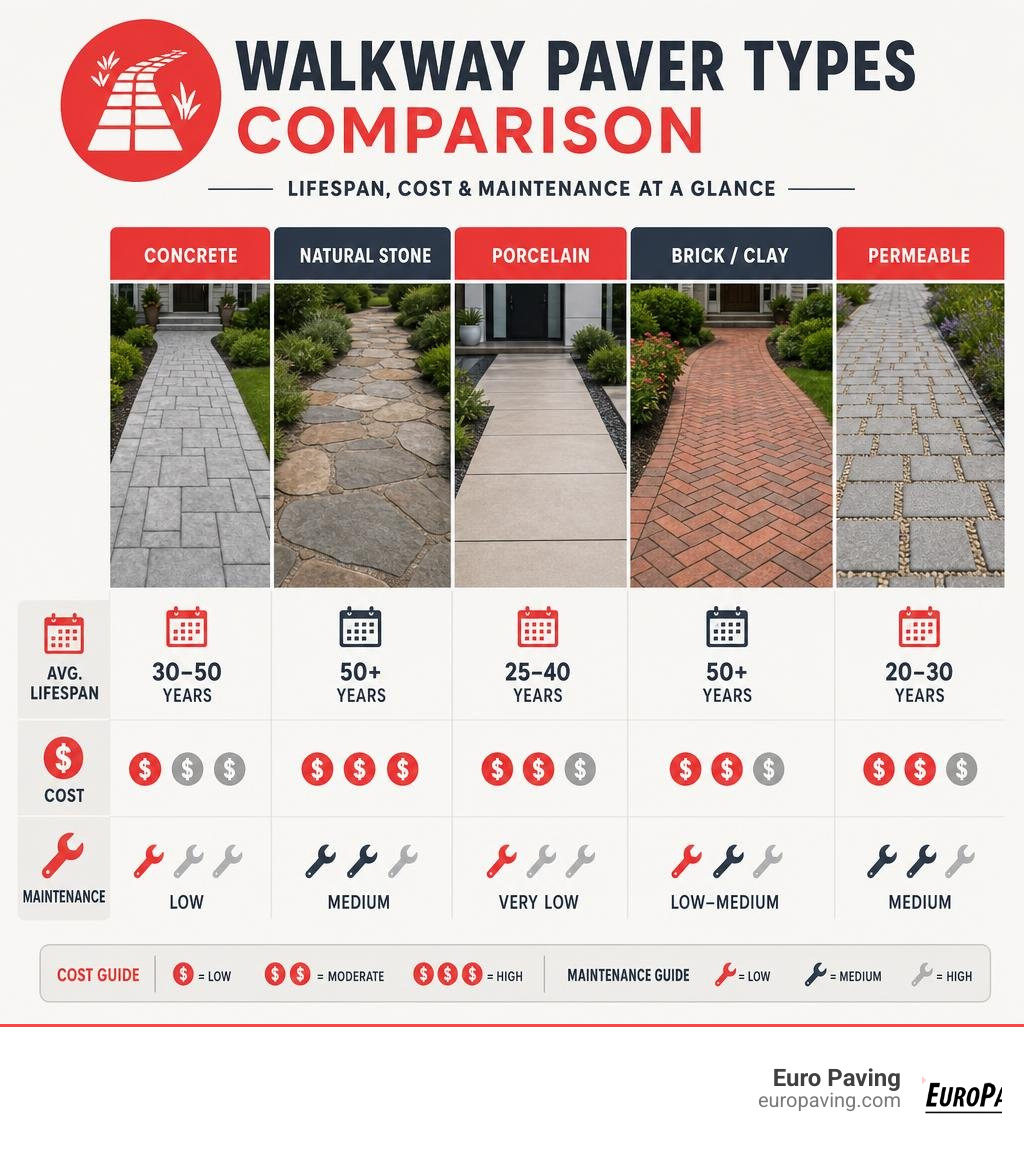
Here are the most popular walkway paver options at a glance:
| Paver Type | Best For | Avg. Lifespan | Maintenance Level |
|---|---|---|---|
| Concrete | Versatile, budget-friendly projects | 30-50 years | Low |
| Natural Stone | Premium curb appeal | 50+ years | Medium |
| Porcelain | Modern, low-maintenance look | 25-40 years | Very Low |
| Brick/Clay | Classic, timeless style | 50+ years | Low-Medium |
| Permeable | Drainage-focused, eco-friendly | 20-30 years | Medium |
Your front walkway is the first thing guests — and potential buyers — notice about your home. A well-designed path does more than connect your driveway to your door. It sets the tone for your entire property.
In the Chicago area, that choice carries extra weight. Freeze-thaw cycles in Cook and DuPage Counties are brutal. The wrong material cracks, shifts, and deteriorates fast. The right one lasts decades with minimal upkeep.
Whether you’re envisioning a classic cobblestone entrance, a sleek modern slab path, or a charming brick walkway winding through your garden, the material and installation quality make all the difference between a path that holds up and one that becomes a headache.
At Euro Paving, we work with homeowners across Elmhurst, Hinsdale, Mount Prospect, and surrounding suburbs to design and install walkways built for both beauty and Chicago’s demanding climate.
Pavers for walkway terms made easy:
Essential Factors When Selecting Pavers for Walkway Projects
When planning a hardscaping project in the Chicago area, selecting the right pavers for a walkway requires looking beyond aesthetics alone. Our region’s unique climate and environmental challenges demand careful consideration of several physical properties.
Climate Resilience and the Freeze-Thaw Cycle
In Cook County and DuPage County, outdoor surfaces must withstand extreme temperature swings. During winter, moisture seeps into the ground and the pores of your paving materials. When this water freezes, it expands, putting immense pressure on the pavement. If your walkway material is highly porous or lacks flexibility, it will crack, spall, or heave.
Unlike solid poured concrete, which inevitably cracks under seasonal stress, individual paving stones move independently. This micro-flexibility allows the entire walkway system to adapt to ground shifts without structural failure. Selecting materials with low water absorption rates is vital for surviving decades of Chicago winters.
Slip Resistance and Safety
A front walkway must provide a secure footing in all weather conditions. Rain, morning dew, winter sleet, and snow can turn smooth surfaces into major slipping hazards. To prevent accidents, we look for materials with pronounced surface textures. Brushed, cleft, or sandblasted finishes offer excellent traction even when wet. This is especially important for high-traffic entryways and transitions near steps or driveways.
Permeability and Rainwater Management
Managing rainwater runoff is a growing concern for homeowners in suburbs like Glenview and Lombard. Standard impermeable surfaces force water to pool or rush into local storm systems, which can cause erosion or basement dampness. The U.S. Environmental Protection Agency recognizes permeable pavements as a green infrastructure strategy for helping manage stormwater close to where it falls; you can learn more in the EPA’s overview of green infrastructure.
Permeable walkway designs allow rainwater to filter directly through the joints into a specialized stone sub-base and back into the natural water table. This eco-friendly approach reduces pooling on your path and minimizes icy patches in the winter. For more details on choosing durable, long-lasting options, explore our guide on The Best Paving Stones for a Sidewalk That Lasts and discover professional techniques in Sidewalk Pathway Masonry.
Comparing Concrete and Natural Stone Pavers for Walkway Durability
Two of the most common materials selected for residential walkways are concrete pavers and natural stone. Understanding how they stack up in terms of performance and value is key to making an informed decision.
Concrete pavers are highly engineered products manufactured to strict dimensional tolerances. This uniformity makes them exceptionally easy to lay tightly, resulting in highly stable walking surfaces. Modern concrete options are built with advanced manufacturing techniques that concentrate rich pigments and wear-resistant aggregates at the wearing surface. As a Unilock authorized contractor, we frequently recommend concrete pavers because they offer incredible design versatility and structural integrity at a highly cost-effective price point.
Natural stone, including premium flagstone, bluestone, and granite, offers unmatched organic beauty and prestige. Every piece of natural stone boasts unique color variations and textures that cannot be perfectly replicated by man-made alternatives. High-density natural stones are virtually impervious to the elements and can last for generations. However, because natural stone slabs vary in thickness and shape, they require highly skilled, labor-intensive installation to ensure a flat, trip-free walkway. Homeowners in historic neighborhoods across Arlington Heights and Norridge often select natural stone to match the architectural heritage of their properties.
Alternative Materials: Porcelain, Brick, and Permeable Options
Beyond standard concrete and natural stone, several specialized materials offer unique functional and aesthetic benefits for modern walkways.
- Porcelain Pavers: Outdoor-rated porcelain is exceptionally dense, completely impervious to water, and highly resistant to stains, chemicals, and freeze-thaw damage. It delivers an ultra-modern, clean aesthetic that is perfect for contemporary homes in suburbs like Skokie. Because they do not absorb moisture, they are virtually immune to winter cracking.
- Clay Brick: Classic clay brick pavers offer a warm, traditional charm that never goes out of style. Made from natural clay fired at extremely high temperatures, clay bricks boast rich, permanent colors that will not fade under UV exposure. They are highly durable and can be arranged in intricate patterns to elevate your home’s curb appeal. Learn more about these advantages by reading 11 Benefits of Adding a Brick Sidewalk to Your Home.
- Permeable Pavers: These systems feature wider joints filled with small aggregates rather than sand, allowing water to flow freely into the ground. They are an excellent, environmentally responsible choice for managing stormwater runoff in low-lying areas.
For projects in communities like Skokie, choosing the right material ensures your walkway complements your home’s exterior. If you are looking for specific luxury materials with advanced color-retention technology, you might consider premium options designed to withstand heavy foot traffic and harsh weather.
Walkway Paver Material Comparison
To help you evaluate your choices, we have compiled a direct comparison of the primary materials used in professional walkway installations:
| Material Type | Cost Range (Installed per Sq. Ft.) | Maintenance Needs | Expected Lifespan | Slip Resistance | Best Application |
|---|---|---|---|---|---|
| Concrete Pavers | $20 – $35 | Low (Sealing optional every 3-5 years) | 30 – 50 Years | Excellent (Textured styles) | Versatile front paths, high-traffic entryways |
| Natural Stone | $35 – $60+ | Medium (Occasional sealing, joint care) | 50+ Years | Very Good (Cleft/honed) | Premium focal-point paths, historic properties |
| Porcelain | $30 – $50 | Very Low (Simple washing) | 25 – 40 Years | Good (Textured finishes) | Modern, minimalist designs, pool-side paths |
| Clay Brick | $25 – $40 | Low to Medium (Weed control in joints) | 50+ Years | Excellent | Traditional, rustic, and colonial architectures |
Achieving these lifespans depends entirely on professional installation standards. Skimping on the foundation or using substandard jointing materials will dramatically shorten the life of any material, regardless of its inherent durability. To explore specific design layouts and product recommendations, read our guide on how to Get Your Path Straight with These Top-Rated Large Walkway Pavers.
Design Styles, Shapes, and Layout Patterns
The way your pavers for a walkway are laid plays a massive role in the final look and structural strength of the path. The right layout pattern can complement your home’s architecture, guide the eye, and even make a narrow space feel wider.
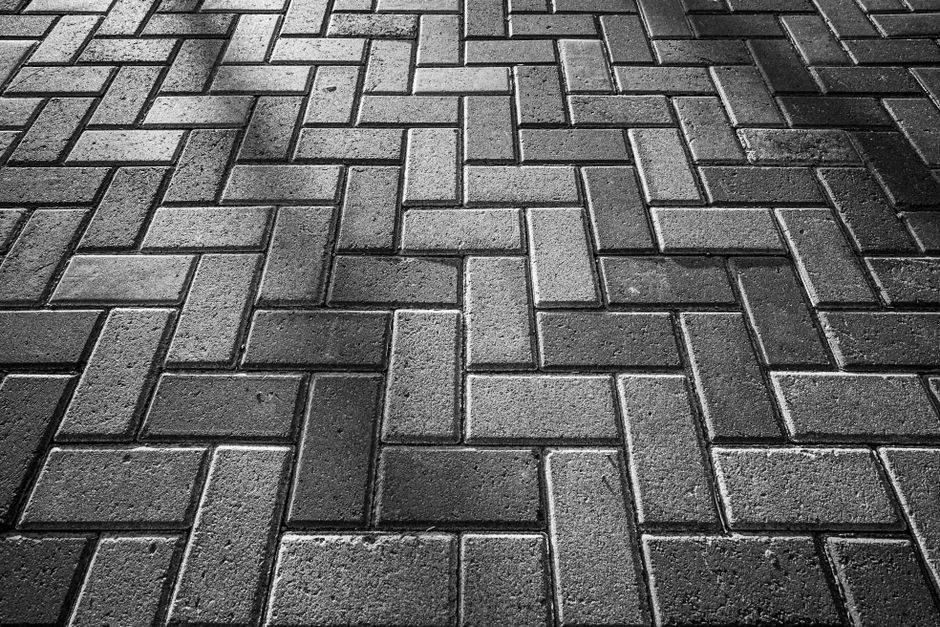
- Herringbone Pattern: Set at 45 or 90 degrees, the herringbone pattern offers exceptional interlock, making it highly resistant to shifting under foot traffic. It delivers a classic, formal aesthetic that pairs beautifully with traditional brick and concrete pavers.
- Running Bond: In this pattern, pavers are laid end-to-end with offset joints, creating a clean, linear look. This layout is excellent for highlighting curves and drawing the eye forward along the path.
- Cobblestone Style: Featuring softly rounded edges and weathered textures, cobblestone patterns evoke old-world European charm. This style is perfect for rustic, cottage-style, or historic homes in older Chicago suburbs.
- Modern Large-Format Slabs: Large rectangular or square slabs create a sleek, minimalist look with fewer joint lines. This style is highly popular for contemporary homes and minimalist landscape designs.
To gather more inspiration on how to combine these styles, check out The Ultimate Guide to Large Sidewalk Pavers Design and Inspiration and browse our curated collection of Sidewalk Paving Ideas That Will Make Your Neighbors Jealous.
Popular Styles and Textures of Pavers for Walkway Aesthetics
Beyond the layout pattern, the surface texture of your pavers defines the overall feel of your hardscape.
- Textured Finishes: Pavers with slate-like textures or flagstone-mimicking surfaces provide a natural, organic look. They offer superior slip resistance and blend seamlessly into lush garden landscapes.
- Smooth Contemporary: Clean, smooth surfaces with sharp, crisp edges are ideal for modern designs. They emphasize geometry and clean lines, creating a neat, sophisticated entrance.
- Weathered Stone: Distressed, tumbled, or antiqued textures offer a timeless, lived-in feel. They are highly forgiving with dirt and minor wear, making them exceptionally family-friendly.
When designing a custom walkway, we often recommend incorporating contrasting borders. Using a darker or differently shaped paver along the edges frames the path, adding visual depth and polished curb appeal. For cost-effective front yard ideas, check out Chic and Cheap Walkway Designs for Your Front Yard.
If you want to see real-world design applications in your area, look at professional projects in Downers Grove or explore premium brick paver and asphalt installations in Lake Forest to see how custom borders and patterns elevate local properties.
Professional Hardscape Installation vs. DIY Pitfalls
While the idea of a weekend DIY project can be tempting, installing a paver walkway is a highly demanding physical and technical task. Many homeowners who attempt a DIY installation run into significant problems that end up costing more to fix than hiring a professional in the first place.
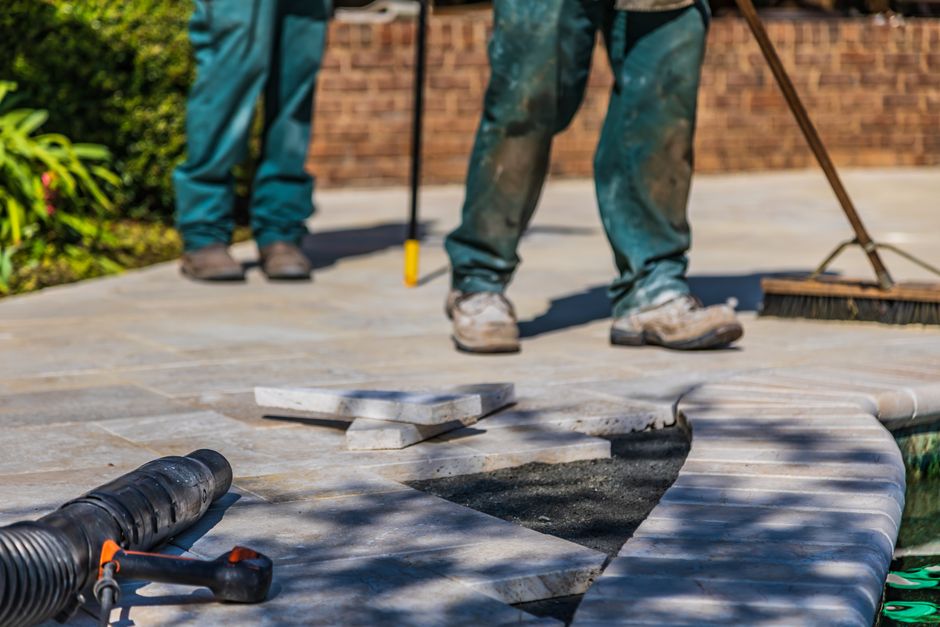
Common DIY pitfalls include:
- Inadequate Excavation: Failing to dig deep enough means there won’t be enough space for a proper base, leading to rapid settling and uneven pavers.
- Poor Base Compaction: If the gravel base is not compacted in thin layers with professional equipment, the walkway will sag and develop dangerous trip hazards.
- Incorrect Slope and Drainage: Walkways must be carefully graded to direct water away from your home’s foundation. Poor grading leads to standing water, ice patches, and potential home water damage.
- Lack of Proper Edge Restraints: Without commercial-grade edging secured with heavy-duty spikes, the outer pavers will drift outward over time, opening up wide gaps.
By hiring experienced professionals, you gain access to advanced 3D design planning, commercial-grade excavation equipment, and specialized compaction tools. To learn how to select a qualified team, read our guide on Finding the Best Sidewalk Paving Contractors in Your Area and see how professional standards ensure long-lasting results for properties in Northbrook and surrounding suburbs.
Why Proper Base Preparation and Drainage Matter
The secret to a beautiful, long-lasting walkway lies entirely beneath the surface. What you don’t see is what keeps your path straight and level for decades.
- Subgrade Preparation: We excavate the native soil to the precise depth required and compact it thoroughly to create a solid foundation.
- Geotextile Fabric: Laying a high-quality geotextile fabric between the soil and the gravel base prevents soil from mixing with your gravel, preserving the structural integrity of the base.
- Crushed Gravel Base: We install a 4-to-6-inch layer of crushed, angular gravel. This layer is wet down and compacted using a heavy-duty plate compactor to ensure it is completely solid. This base must be graded to slope away from structures at a minimum rate of 1/4 inch per foot.
- Sanded Bedding Layer: A precise 1-inch layer of washed concrete sand is screeded over the compacted gravel to provide a smooth, uniform bed for the pavers.
- Polymeric Sand Jointing: Once the pavers are laid and compacted into the sand bed, we fill the joints with high-performance polymeric sand. Activated with water, this specialized sand binds the pavers together, resists erosion, and prevents weed growth and insect burrowing.
This detailed preparation is what prevents shifting during harsh Chicago winters, ensuring your walkway remains safe and beautiful year after year.
Maintenance and Longevity of Walkway Pavers
One of the greatest benefits of choosing high-quality pavers for a walkway is their low maintenance requirements. However, “low maintenance” does not mean “no maintenance.” A little routine care will keep your investment looking brand new for decades.
- Routine Sweeping and Washing: Regularly sweep away leaves, dirt, and organic debris to prevent staining. A simple wash with a garden hose and mild detergent once or twice a year is usually all it takes to keep the surface clean.
- Joint Sand Replenishment: Over time, heavy rain or pressure washing can wear down the polymeric sand in the joints. Check your walkway annually and top off the sand as needed to keep the pavers locked tightly together.
- Professional Sealing: While not strictly mandatory for all materials, applying a high-quality penetrating sealer every 3 to 5 years protects against oil stains, enhances the natural colors of the stone, and helps prevent UV fading.
- Avoid Harsh De-icing Chemicals: During winter, avoid using rock salt (sodium chloride) on your pavers, as it can damage the surface over time. Instead, use sand for traction or select calcium chloride-based de-icers, which are much gentler on concrete and natural stone.
For a detailed look at the installation process that makes ongoing maintenance much easier, check out our Step-by-Step Guide to Laying a Stone Paver Sidewalk.
Frequently Asked Questions about Walkway Pavers
How much does a professional paver walkway cost in the Chicago area?
The cost of a professional paver walkway typically ranges from $7,500 to $15,000, depending on the length, width, choice of materials, and complexity of the design. Custom features like curved steps, retaining walls, or intricate borders will affect the final price. We provide detailed, custom design estimates to help you plan your project within your budget.
How long do professional walkway pavers last?
When installed by certified professionals over a properly prepared base, a high-quality paver walkway can easily last 30 to 50 years or more. Many premium concrete pavers, such as those from Unilock, come with a lifetime transferable limited warranty on the structural integrity of the units, giving you ultimate peace of mind.
What is the ideal width for a front entrance walkway?
For a main front entrance walkway, the standard recommended width is 36 to 48 inches. A 48-inch-wide path allows two people to walk side-by-side comfortably, creating a welcoming and accessible entrance. Secondary garden paths can be narrower, typically around 24 to 36 inches, to blend more naturally into your landscaping.
Conclusion
Investing in high-quality pavers for a walkway is one of the smartest ways to elevate your home’s curb appeal, improve safety, and add lasting value to your property. By choosing durable, climate-resilient materials and insisting on professional installation, you ensure your walkway will withstand the test of time and Chicago’s demanding weather.
At Euro Paving, we specialize in transforming ordinary outdoor spaces into beautiful, functional hardscapes. From custom walkways and brick patios to complete backyard transformations with cozy fire pits, our team is committed to delivering exceptional craftsmanship and outstanding service. We proudly serve homeowners throughout Cook and DuPage Counties, including Chicago, Elmhurst, Hinsdale, Mount Prospect, Arlington Heights, and the surrounding suburbs.
Ready to step up your home’s curb appeal? Transform your home with professional Sidewalk Paving and schedule your design consultation with our hardscaping experts today!