



Thinking about getting your driveway redone? It’s a big job, and you want it done right. Whether you’re looking at brick, asphalt, or concrete, picking the best material and finding a good installer near you is key. This guide will walk you through what you need to know to get a driveway paving job you’ll be happy with for years to come.
Key Takeaways
- Brick pavers offer great looks and durability, often lasting longer than asphalt or concrete, and they can really boost your home’s curb appeal.
- Proper installation is super important. This means getting the base ready right, compacting it well, and making sure water can drain away from your house.
- When looking for contractors, check out their experience, ask for detailed quotes, and make sure they don’t cut corners on materials or labor.
- You can customize your driveway’s look with different brick patterns and designs to match your home’s style.
- Investing in quality driveway paving not only makes your property look better but can also increase its value, and good maintenance will keep it looking great.
Choosing the Right Driveway Paving Material
Picking the right material for your driveway is a big decision. It’s not just about looks, though that’s part of it. You’ve got to think about how it’ll hold up over time, what it costs, and how it fits with your home’s style. Let’s break down some of the popular choices.
Benefits of Brick Pavers for Driveways
Brick pavers are a really popular choice for driveways, and for good reason. They look great, offering a classic and timeless appeal that can really make your home stand out. Plus, they’re tough. Unlike poured concrete or asphalt, if a single brick gets damaged, you can just replace that one piece instead of having to redo a whole section. This makes repairs much simpler and often cheaper in the long run. They also offer a lot of design flexibility. You can get them in different colors, shapes, and sizes, and lay them in all sorts of patterns, from simple running bonds to more intricate designs like herringbone. This lets you really customize the look of your driveway.
Comparing Brick Pavers to Asphalt and Concrete
When you’re looking at driveway materials, asphalt and concrete are the usual suspects. Asphalt is generally the cheapest upfront, and it’s pretty good in cold weather because it can handle salt and snow well. However, it tends to fade over time, can crack, and often needs sealing every few years. Concrete is a bit more durable than asphalt and can be stamped or colored to look like other materials, but it’s prone to cracking, especially with freeze-thaw cycles. It can also be tricky to repair without the patch showing. Brick pavers, on the other hand, usually cost more to install initially, but they often last much longer and require less intensive maintenance. They don’t fade like asphalt, and they’re more flexible than concrete, meaning they’re less likely to crack. Plus, the ability to replace individual pavers is a big plus for repairs.
| Material | Initial Cost | Durability | Maintenance Needs | Curb Appeal | Climate Suitability |
|---|---|---|---|---|---|
| Asphalt | Low | Moderate | High (sealing) | Fair | Good for cold |
| Concrete | Medium | High | Medium (sealing) | Good | Good for hot |
| Brick Pavers | High | Very High | Low | Excellent | All climates |
Understanding Material Durability and Longevity
How long your driveway lasts really depends on the material and, importantly, how well it’s installed. Asphalt driveways might give you 15-20 years if they’re well-maintained. Concrete can last 20-30 years, but cracks can shorten that lifespan. Brick pavers, when installed correctly with a solid base, can easily last 25-30 years or even longer. The key to longevity for any driveway material is proper installation, especially the base preparation. A good base prevents settling and cracking, which are the main enemies of a long-lasting driveway. You’ll want to look for contractors who really focus on this part of the job. For example, proper base preparation is often highlighted as the most critical step for any paving project to avoid future problems.
The upfront cost of a material is only one piece of the puzzle. Thinking about the total cost over the driveway’s lifespan, including repairs and maintenance, gives you a clearer picture of the true value. Sometimes, spending a bit more initially on a more durable material can save you a lot of money and hassle down the road.
Professional Driveway Paving Installation Process
So, you’ve decided on brick pavers for your driveway. That’s great! But getting them installed right is a whole different ballgame than just picking out pretty bricks. A professional installation process is key to making sure your driveway looks good and, more importantly, lasts for years without turning into a bumpy mess. It’s not just about laying down stones; it’s about building a solid foundation.
The Importance of Base Preparation and Compaction
This is probably the most critical part, and honestly, it’s where a lot of DIYers or less reputable contractors cut corners. You can’t just slap pavers on dirt. First, the area needs to be excavated to a proper depth. Then comes the base material, usually crushed stone. This layer needs to be installed in stages and compacted thoroughly with heavy equipment. Think of it like building a house – a strong foundation is everything. Without proper base preparation and compaction, your driveway is almost guaranteed to sink or shift over time, especially with the weight of vehicles.
Edge Restraints and Polymeric Sand for Stability
Once the base is solid, you need to keep those pavers in place. That’s where edge restraints come in. These are installed around the perimeter of the driveway to prevent the pavers from spreading outwards. Then there’s the polymeric sand. This isn’t your average playground sand. It’s a special mix with a binder that hardens when it gets wet. You sweep it into the joints between the pavers, and after a light misting, it locks everything together. This stops weeds from growing through and keeps ants from tunneling underneath. It really makes a difference in keeping the whole surface stable and tidy.
Ensuring Proper Drainage for Driveway Longevity
Water is the enemy of any paved surface if it can’t go anywhere. A professional installer will always make sure your driveway has a slight slope, usually about an inch for every eight feet, directing water away from your home’s foundation and towards a drainage area. This prevents water from pooling, which can lead to freeze-thaw damage in colder climates and can eventually undermine the base material. Getting the drainage right from the start saves a lot of headaches down the road.
Finding Quality Driveway Paving Contractors
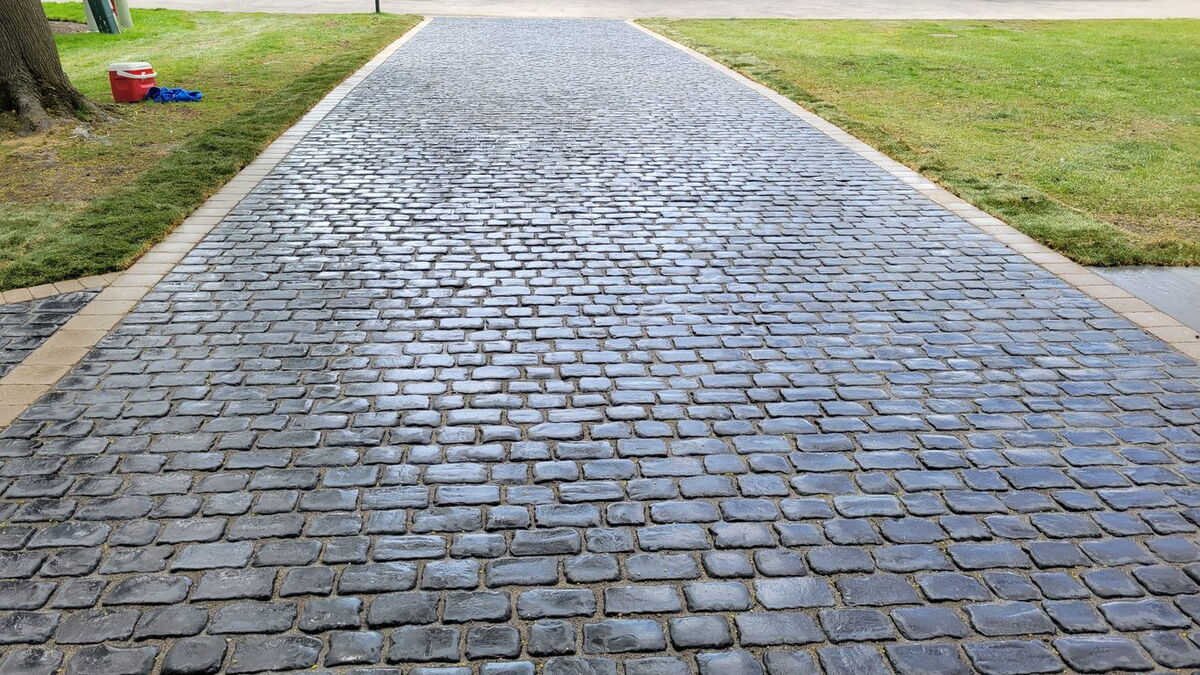
So, you’ve decided on brick pavers for your driveway – awesome choice! Now comes the part where you need to find someone good to actually do the work. This isn’t like picking out a new shirt; it’s a big investment, and you want it done right. Trust me, I’ve seen enough DIY disasters to know that some jobs are best left to the pros.
What to Look for in a Paving Professional
When you’re looking for a contractor, don’t just grab the first name you see. You want someone who knows their stuff. Think about it: they’re not just laying bricks; they’re building a foundation that needs to last. Here’s a quick checklist:
- Experience: How long have they been doing this? A company that’s been around for a while usually means they’re doing something right. Look for contractors who specialize in brick pavers, not just general landscaping.
- Licenses and Insurance: This is a big one. Make sure they’re properly licensed and insured. It protects you if something goes wrong on the job.
- Portfolio and References: Ask to see examples of their past work, especially driveways. Talking to previous clients can give you a real feel for their reliability and the quality of their work. Professional driveway paving companies often have photo galleries on their websites.
- Communication: Do they listen to you? Do they explain things clearly? You want someone you can talk to easily throughout the project.
Understanding Quotes and Avoiding Corner-Cutting
Getting quotes is super important. Don’t just go for the cheapest option, though. Sometimes, a low price means they’re cutting corners somewhere, and that’s usually on the base preparation or materials, which you really don’t want.
- Detailed Quotes: A good quote will break down the costs for materials, labor, and installation. If it’s just a lump sum, that’s a red flag.
- No Hidden Fees: Make sure the quote includes everything. You don’t want surprises later on.
- Ask Questions: If something on the quote doesn’t make sense, ask them to explain it. A reputable contractor will be happy to clarify.
The foundation is everything. A beautiful paver driveway looks great, but if the base isn’t prepared correctly, it’s going to sink or shift. Always ask about their base preparation process – how deep they excavate, what materials they use for the base, and how they compact it. This is the most critical step to prevent future problems.
The Value of Experience and Guarantees
When you hire a professional, you’re paying for their know-how. They understand the importance of things like proper base preparation and compaction, edge restraints, and making sure your driveway drains correctly. Site preparation is key to a long-lasting driveway.
- Installation Standards: Ask about their installation process. Do they use polymeric sand? Do they ensure proper grading for drainage? These details matter.
- Warranties: What kind of guarantee do they offer on their work? A good contractor will stand behind their installation. Some even offer lifetime guarantees on materials if they use specific brands like Unilock.
- Reputation: Check online reviews, but also trust your gut. If a company seems shady or too good to be true, they probably are. Look for companies that have a solid track record and positive customer feedback.
Driveway Paving Design and Aesthetics
Exploring Brick Paver Patterns for Driveways
When you’re thinking about a new driveway, it’s not just about function anymore. The look of your driveway can really change how your whole house feels from the street. Brick pavers offer a ton of options for patterns that can make your home stand out. Some popular choices include:
- Herringbone: This pattern uses bricks laid in a V-shape, interlocking with each other. It’s known for being super strong, which is great for driveways that see a lot of car traffic. It looks pretty dynamic, too.
- Running Bond: This is like a classic brick wall pattern, where each row is offset from the one below it. It gives a clean, linear look that works well for longer driveways or if you want something a bit more understated.
- Basketweave: This pattern gives a textured, woven look. It’s a bit more decorative and can add a charming, vintage feel to your property.
- Stack Bond: Here, bricks are laid in a simple grid, one right on top of the other. This creates a very modern and clean aesthetic.
Choosing the right pattern can really tie your home’s exterior together. It’s about making that first impression count.
Enhancing Curb Appeal with Paving Designs
Your driveway is often the first thing people see when they visit your home, so making it look good is a big deal. A well-designed brick paver driveway can seriously boost your home’s curb appeal. It’s more than just a place to park your car; it’s part of your home’s overall look. Think about how a neat, attractive driveway makes the whole property seem more put-together and cared for. It can make your house look more inviting and even more valuable. A good design works with your home’s architecture and landscaping, creating a cohesive and attractive look that you’ll be proud of every time you pull in.
Customizing Your Driveway to Match Your Home
One of the best things about using brick pavers is the flexibility you have in design. You’re not stuck with just one look. You can pick from different brick colors, sizes, and shapes to create something that truly fits your home’s style. Whether your house is modern, traditional, or something in between, there’s a paver design that can complement it. You can even mix and match colors or create custom patterns. This level of personalization means your driveway won’t just be functional; it will be a unique extension of your home’s personality. Working with a professional can help you visualize these options, maybe even with 3D design and planning services, so you can see exactly how it will look before any work begins. It’s all about creating a driveway that feels like it belongs there, enhancing your home’s character rather than just being an afterthought.
The right paving design isn’t just about looks; it’s about creating a welcoming entrance and a functional space that lasts. Considering how the pattern and material interact with your home’s architecture and the surrounding landscape is key to a successful project.
Driveway Paving Maintenance and Repair
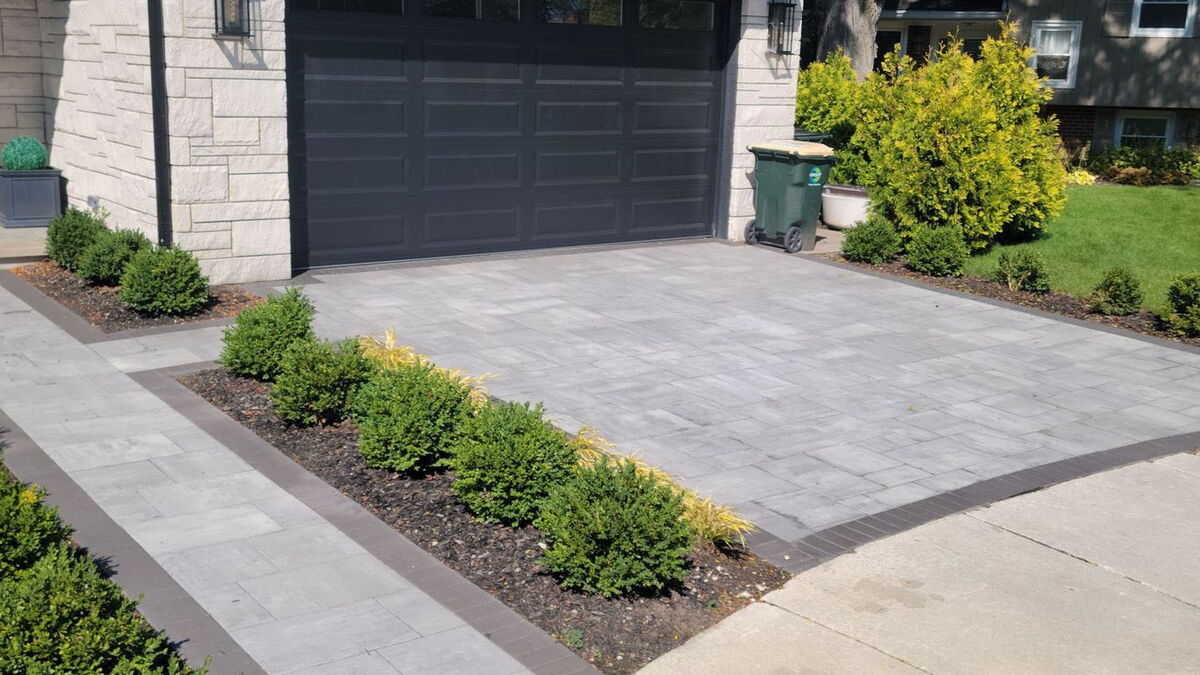
So, you’ve got a nice paved driveway, maybe brick, maybe something else. That’s great! But it’s not exactly a ‘set it and forget it’ kind of deal, you know? Like anything outside, it needs a little attention now and then to keep it looking good and working right. Ignoring it is just asking for trouble down the road, and trust me, that trouble usually costs a lot more to fix.
Routine Maintenance for Paved Driveways
Keeping your driveway in shape doesn’t have to be a huge chore. A little bit of regular care goes a long way. Think of it like washing your car – it’s not fun, but it keeps the paint from getting ruined.
- Sweep it regularly: Get rid of leaves, dirt, and small debris. This stops them from staining the pavers or getting ground into the joints.
- Clean up spills quickly: If you spill oil, gas, or even some types of food, try to clean it up right away. The longer it sits, the harder it is to get out.
- Weed control: Keep an eye out for weeds popping up between the pavers. Pull them out when you see them, or use a paver-safe weed killer.
- Consider sealing: Depending on your material, sealing your driveway every few years can protect it from stains and weather. It’s like putting a clear coat on your car.
Addressing Uneven or Sinking Pavers
This is a common issue, especially after a few years. If you notice some pavers are sinking or looking uneven, it’s usually a sign that the base underneath isn’t as solid as it should be. Sometimes it’s just a small section, other times it’s more widespread.
Sinking or uneven pavers are almost always a symptom of a problem with the foundation or base layer. This can happen if the ground wasn’t properly prepared and compacted during installation, or if water has eroded the base material over time. Addressing it sooner rather than later can prevent more significant damage.
For minor issues, you might be able to fix it yourself. You’d typically lift the loose pavers, add some more base material (like crushed stone or sand), compact it down really well, and then put the pavers back. It’s a bit of work, but it can save you from having to replace a whole section. For bigger problems, though, it’s probably best to call in the pros. They have the right equipment to really get the base solid again.
When to Resurface Versus Replace Your Driveway
This is the big question when things start to look really bad. Resurfacing, like adding a new layer of asphalt, can sometimes be an option, but it’s not always the best long-term solution, especially for paver driveways. Replacement means taking out the old stuff and putting in something completely new.
Here’s a quick breakdown:
- Resurfacing: This is usually for asphalt or concrete where the underlying structure is still sound. It’s often cheaper upfront but might not last as long as a full replacement. For pavers, ‘resurfacing’ usually means re-sanding and sealing, not adding a new layer of pavers on top.
- Repair: This involves fixing specific problems like potholes or cracks. For paver driveways, this might mean replacing a few damaged pavers or re-compacting a sunken area. You can find guides on driveway pothole patching techniques if you’re dealing with asphalt.
- Replacement: This is the most involved and expensive option, but it gives you a completely fresh start. It’s often necessary when the base is failing, there’s widespread damage, or you simply want a new look. For paver driveways, replacement means digging everything out and starting from scratch with proper base preparation.
Ultimately, the decision depends on the type of driveway you have, the extent of the damage, and your budget. Regular maintenance, as mentioned, can help you avoid having to make this tough choice too soon. Keeping up with driveway maintenance is key to a long-lasting surface.
The Investment in Driveway Paving
So, you’re thinking about a new driveway, huh? It’s a big decision, and let’s be honest, it’s not exactly pocket change. But when you look at it as an investment, things start to make more sense. A well-done driveway, especially one with pavers, can really make your home stand out. It’s not just about looks, though. Think about how much you use your driveway – parking cars, maybe kids playing, deliveries. It needs to be tough.
Increasing Property Value with Paved Driveways
This is a big one for most homeowners. A nice driveway isn’t just a convenience; it’s a serious upgrade that buyers notice. It’s one of the first things people see when they pull up, and it sets the tone for the whole property. A good paver driveway can add a good chunk to your home’s value, sometimes enough to make back what you spent, or even more. It’s like giving your house a facelift that pays off down the road. Plus, it shows you take pride in your home, and that always appeals to potential buyers.
Long-Term Benefits of Professional Paving
When you go with professional paving, you’re not just paying for the materials and labor today. You’re investing in something that’s built to last. Unlike a quick fix that might crack or sink in a few years, a properly installed paver driveway can look great for decades. We’re talking about durability that holds up against weather, cars, and just general wear and tear. This means fewer headaches and repair bills down the line. It’s about getting a solid, reliable surface that you don’t have to worry about constantly. A good installation means proper base prep, solid edging, and the right materials, all of which contribute to a driveway that stands the test of time. Installing a new asphalt driveway can significantly enhance your property’s value, potentially increasing it by up to 10 percent. This investment not only improves curb appeal but also offers a substantial return on investment. This investment is something to consider.
Affordable Paving Solutions for Your Budget
Okay, so we’ve talked about the investment and the long-term value, but what about the upfront cost? It can seem like a lot, but there are ways to make it work. Different materials have different price points, and sometimes a slightly different approach can save you money without sacrificing too much quality. It’s all about finding that sweet spot between what you can afford and what will give you the best bang for your buck. Getting a few quotes is always a good idea, and don’t be afraid to ask about financing options or phased projects if that helps. The goal is to get a driveway that looks good, functions well, and doesn’t break the bank. Remember, a quality driveway is a long-term asset, so it’s worth planning carefully to fit it into your budget.
Here’s a quick look at what you might expect:
- Initial Cost: This is the upfront price for materials and labor.
- Maintenance Costs: Factor in occasional cleaning, sealing, or minor repairs over the years.
- Longevity: How long the driveway is expected to last before needing major work.
- Property Value Increase: The estimated boost to your home’s market value.
When you’re looking at the cost of a new driveway, it’s easy to get caught up in the sticker price. But it’s really more about the overall value and how it impacts your home over time. Think of it as a long-term improvement, not just an expense.
Thinking about paving your driveway? It’s a smart move that can really make your home look better and last longer. A good driveway isn’t just about looks; it’s an investment that adds value. Ready to see how we can transform your property? Visit our website today to learn more and get a free quote!
Wrapping It Up
So, you’ve learned a lot about getting a new driveway. It’s not just about picking a material; it’s about finding someone who knows how to lay it right, so it lasts. Whether you’re leaning towards brick pavers for that classic look or something else, remember the foundation is key. A good installer will prep the ground properly, compact it well, and make sure water drains away. Taking the time to find the right contractor means you’ll end up with a driveway that looks great and holds up for years to come. Don’t rush the decision – a little research now saves a lot of headaches later.
Frequently Asked Questions
What are the most popular driveway paving materials?
Many homeowners choose brick pavers because they look great and last a long time. Asphalt is another common choice, often seen as a more budget-friendly option. Concrete is also widely used, offering durability and a smooth surface. Each material has its own pros and cons when it comes to looks, cost, and how long it will last.
How long do brick paver driveways typically last?
When installed correctly, brick paver driveways can last for many, many years – often 20 to 30 years or even longer! They are very tough and can handle different weather conditions. Regular maintenance helps them stay in great shape for a long time.
Is it better to resurface or replace my driveway?
If your driveway has minor cracks or surface damage, resurfacing might be a good and more affordable option. It’s like giving your driveway a fresh new top layer. However, if the driveway has major problems like sinking, large cracks, or a weak base, replacing it entirely is usually the better choice for a long-lasting fix.
What makes a good driveway paving contractor?
A good paving contractor is experienced, has good reviews, and doesn’t cut corners on materials or the installation process. They should be able to explain everything clearly, provide a detailed quote, and offer a warranty on their work. Always check their past projects and ask for references.
How important is the base preparation for a paved driveway?
Base preparation is super important, maybe the most important step! A strong, well-compacted base made of crushed stone and sand is what keeps your driveway from sinking or shifting later on. Skipping this step or doing it poorly is the main reason why paved driveways can fail over time.
Can paving my driveway increase my home’s value?
Yes, a well-designed and professionally installed paved driveway can definitely boost your home’s curb appeal and increase its market value. It makes a great first impression on potential buyers and shows that the property is well-maintained.