



Thinking about getting some work done on your driveway or maybe a new patio? Finding the right people to do the job can feel like a puzzle. You want someone reliable, someone who does good work, and ideally, someone close by. This guide is here to help you figure out how to find quality asphalt paving near me, so you can get that smooth, durable surface you’re looking for without all the usual headaches. We’ll cover what to look for, what questions to ask, and how to make sure you’re getting the best bang for your buck.
Key Takeaways
- When looking for asphalt paving near me, check if contractors are licensed and insured. This protects you and ensures they follow industry standards.
- Ask potential paving professionals about their experience with projects similar to yours, like driveways or parking lots.
- Don’t be afraid to ask questions! Understanding the process, materials, and timeline helps you make an informed decision.
- Getting multiple quotes is smart. It helps you compare prices and services to find the best value for your budget.
- Look for reviews and ask for references. Hearing from past clients gives you a good idea of a contractor’s reliability and the quality of their work.
Choosing the Right Asphalt Paving Contractor
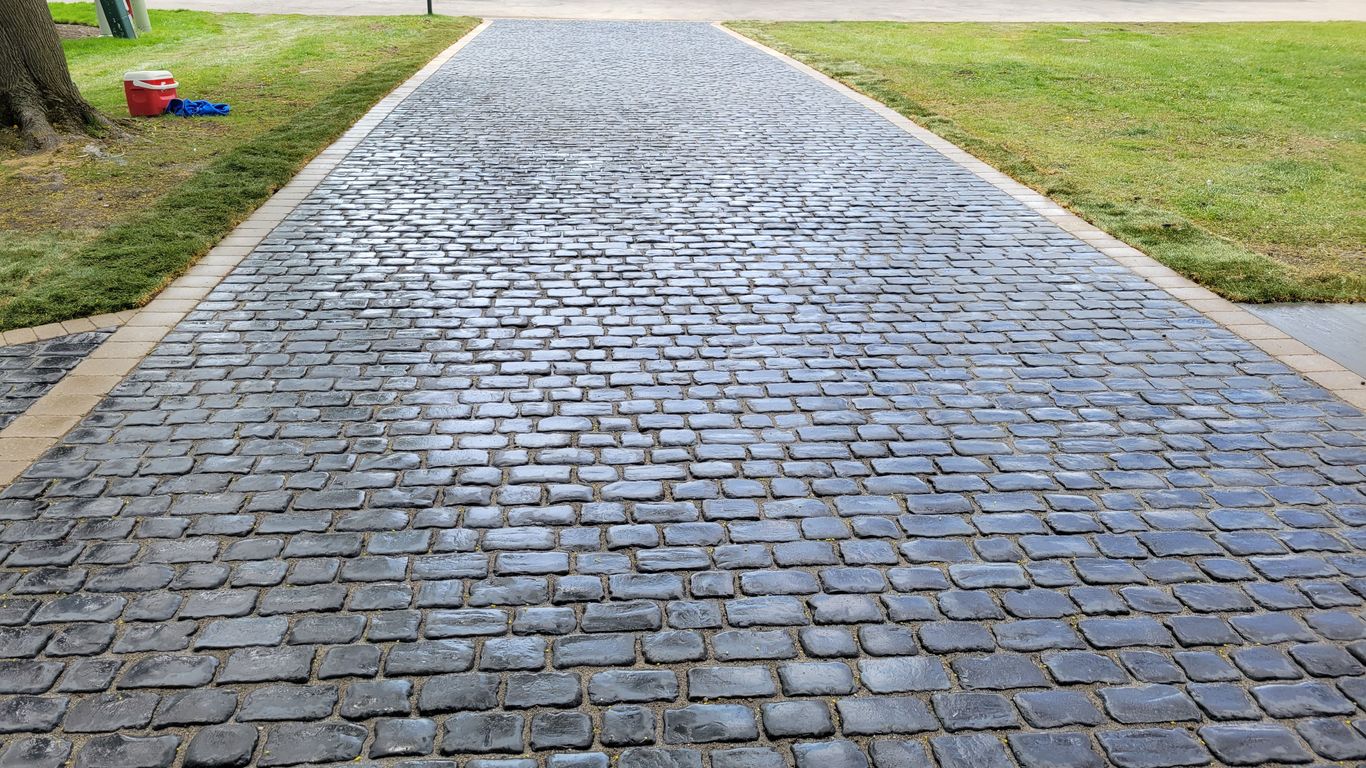
Finding a good asphalt paving contractor can feel like a big task, right? You want someone who knows their stuff, won’t break the bank, and will do a job that lasts. It’s not just about getting a smooth surface; it’s about making sure it’s done right the first time.
Understanding Asphalt Paving Services
Asphalt paving contractors do more than just lay down blacktop. They handle a range of services, from brand-new driveway installations and parking lot construction to repairs like patching potholes and sealing cracks. Some also work with other materials like brick pavers for patios and walkways. It’s good to know what services they offer so you can find a company that fits your specific needs. They might also do things like resurfacing old asphalt to give it new life.
What to Look for in a Paving Professional
So, what makes a paving pro stand out? First off, check their experience. How long have they been in business? Do they have a physical address? Look for contractors who are licensed and insured, as this protects you if something goes wrong. Good communication is also key; they should be able to explain the process clearly and answer your questions without making you feel rushed. Asking for references from past clients is a smart move too. You can also check out their past work, maybe even see some examples of recent local projects they’ve completed.
Questions to Ask Potential Contractors
Before you sign any contract, have a list of questions ready. Here are a few important ones:
- Are you licensed and insured for this type of work? Can I see proof?
- How long will the project take, and when can you start?
- What is included in the quote (materials, labor, cleanup)?
- What kind of warranty or guarantee do you offer on your work?
- What happens if unexpected issues come up during the project?
- Do you handle permits if they are needed?
Asking these questions upfront helps you understand the contractor’s professionalism and ensures you’re both on the same page. It’s all part of making an informed decision about who you hire for your paving needs.
Asphalt Driveway Installation and Repair
When it comes to your home’s exterior, the driveway is a big part of the first impression. An asphalt driveway offers a good balance of cost, durability, and looks. It’s a popular choice for a reason, but like anything, it needs attention now and then.
Benefits of Asphalt Driveways
Asphalt driveways are a solid choice for many homeowners. They’re pretty straightforward to install, which often means they’re less expensive upfront compared to other options like pavers or concrete. Plus, they tend to hold up well against different weather conditions, from hot summers to cold winters. They also have a bit of flexibility, which can help prevent cracking when the ground freezes and thaws.
- Cost-Effective: Generally more affordable than brick or concrete.
- Durability: Resists wear and tear from vehicles and weather.
- Flexibility: Can handle temperature fluctuations better than rigid materials.
- Quick Installation: Often installed faster than other driveway types.
- Easy Repair: Minor damage can usually be fixed without replacing the whole driveway.
The Asphalt Paving Process
Getting a new asphalt driveway laid down involves a few key steps. First, the old surface, if there is one, needs to be removed or prepared. Then, a base layer, usually made of gravel, is put down and compacted really well. This base is super important for making sure the driveway is stable and lasts a long time. After that, the hot asphalt mix is spread out evenly and smoothed. Finally, it’s compacted again with heavy rollers to create that smooth, solid surface you expect. The quality of the base preparation is often the biggest factor in how long your driveway will last.
When to Repair vs. Replace Your Driveway
Figuring out if you need a simple fix or a whole new driveway can save you money and hassle. Small issues like minor cracks or a few potholes can often be repaired. Crack filling and patching are common fixes that can stop small problems from getting bigger. However, if you’re seeing widespread cracking, lots of potholes, or areas where the asphalt is crumbling, it might be time to think about a full replacement. Significant sagging or areas where water pools are also big signs that a replacement is probably the better long-term solution. Sometimes, resurfacing, which is like adding a new layer of asphalt on top of the old one, can be a good middle ground if the base is still solid. Expert asphalt services can help assess the best course of action for your specific situation.
Beyond Driveways: Other Asphalt Paving Projects
While driveways are a common project, asphalt paving is super versatile and can be used for a whole lot more. Think about those big areas that need to handle a lot of traffic, like parking lots. Getting these paved right is key for businesses. A well-paved parking lot makes a good first impression and is safer for everyone.
Parking Lot Paving and Maintenance
Parking lots see a lot of action – cars coming and going, people walking, and sometimes even heavy trucks. This means they need to be built tough and maintained regularly. Proper installation involves a solid base and the right thickness of asphalt to handle all that weight and wear. Regular maintenance, like sealcoating and crack filling, is a must. It’s not just about looks; it’s about preventing bigger problems down the road. Small cracks can let water seep in, which freezes and expands in the winter, making the cracks even worse. Catching these issues early can save a ton of money and hassle.
Commercial Asphalt Paving Solutions
Businesses often need more than just parking lots. Think about loading docks, service areas, or even private roads on a commercial property. These areas have specific needs. Loading docks, for instance, need to be extra strong to handle constant heavy vehicle traffic. Service areas might need specific drainage solutions. When you’re looking at commercial projects, you want a contractor who understands these unique demands. They should be able to suggest the best materials and methods to make sure the pavement lasts and performs well under demanding conditions. Getting the right paving for your business can really make a difference in daily operations and how customers perceive your establishment.
Asphalt Resurfacing and Crack Filling
Sometimes, an existing asphalt surface isn’t completely ruined, but it’s seen better days. That’s where resurfacing and crack filling come in. Resurfacing, also called overlaying, is basically putting a new layer of asphalt on top of the old, damaged one. It’s a great way to fix up worn-out surfaces without the cost and disruption of a full replacement. Crack filling is exactly what it sounds like – filling in those annoying cracks before they turn into potholes. It’s a simple but super effective way to protect your asphalt and keep it looking good.
Don’t underestimate the power of regular maintenance. Small, consistent efforts like sealing cracks and applying sealcoats can dramatically extend the life of your asphalt surfaces, saving you significant money and headaches in the long run. It’s about proactive care, not just reactive fixes.
Here’s a quick look at common asphalt maintenance tasks:
- Crack Filling: Sealing cracks to prevent water intrusion and further damage.
- Sealcoating: Applying a protective layer to shield asphalt from UV rays, chemicals, and weather.
- Patching: Repairing small areas of damage, like potholes or spalled sections.
- Resurfacing: Adding a new layer of asphalt over an existing, worn surface.
Comparing Paving Materials
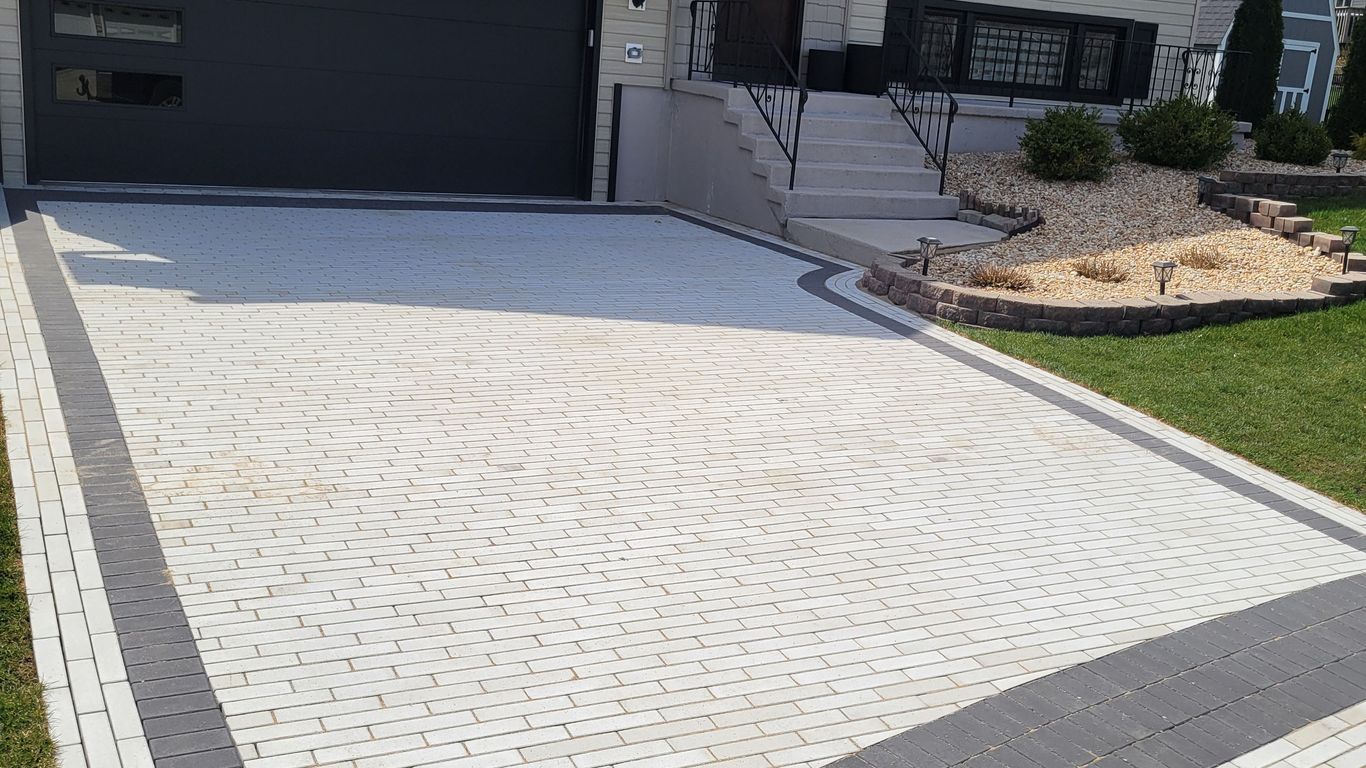
When you’re looking to pave an area, whether it’s a driveway, patio, or walkway, you’ve got a few main options to consider. Asphalt and brick pavers are two of the most popular choices, and they each bring their own set of pros and cons to the table. It’s not really a one-size-fits-all situation; what works best for your neighbor might not be the perfect fit for your home or your budget.
Asphalt vs. Brick Pavers
Asphalt is a common sight for driveways and parking lots. It’s known for being a bit more budget-friendly upfront and can be installed relatively quickly. It gives you a smooth, uniform surface that’s pretty straightforward to maintain for the most part. On the other hand, brick pavers offer a more classic and often more attractive look. They come in a huge variety of colors, shapes, and patterns, allowing for a lot of customization. While the initial cost might be higher, many people find the aesthetic appeal and longevity to be worth it. The choice often comes down to balancing initial cost with long-term appearance and durability.
Here’s a quick look at how they stack up:
- Asphalt: Generally lower upfront cost, quick installation, smooth surface, requires sealing every few years, can crack or get potholes over time.
- Brick Pavers: Higher upfront cost, longer installation time, wide range of design options, very durable when installed correctly, easier to repair individual sections, can be susceptible to weeds in joints if not properly maintained.
Durability and Maintenance of Paving Options
When we talk about durability, both materials can last a long time, but they do it differently. Asphalt driveways, when properly installed and maintained, can last anywhere from 15 to 20 years. However, they are more prone to damage from extreme weather, like freeze-thaw cycles, and heavy use, which can lead to cracks and potholes. Regular sealing is a must to protect the surface and extend its life. Asphalt repair and resurfacing is often needed to keep it looking good.
Brick pavers, on the other hand, are known for their incredible longevity, often lasting 25 years or even much longer when installed correctly. The key here is the base preparation; a solid foundation is critical to prevent settling and shifting. While individual pavers can be replaced if damaged, maintenance usually involves sweeping, occasional weeding between the joints, and possibly re-sanding. They tend to hold up better against the elements without significant cracking or buckling.
Curb Appeal and Material Longevity
Curb appeal is a big deal for homeowners, and both materials can contribute to it, just in different ways. Asphalt provides a clean, neat appearance that many find appealing, especially when it’s freshly sealed and free of cracks. It’s a practical, no-fuss option that looks good on many types of homes.
Brick pavers, however, often take curb appeal to another level. The natural colors and textures of brick, combined with the endless pattern possibilities, can create a truly custom and high-end look. A well-designed brick driveway or walkway can significantly boost a home’s overall attractiveness and perceived value. It’s a material that many associate with quality and timeless style. While asphalt might need more frequent attention to maintain its appearance, brick pavers tend to age gracefully, often becoming more charming over time. For those looking for a more decorative and potentially higher-impact look, brick pavers are definitely worth a closer look.
Finding Quality Paving Services in Your Area
Quality really matters—a lousy paving job means headaches now and repairs later. So before you hand over your driveway or lot to just anyone, it helps to know what to look for, what to ask, and how to compare what you find.
Local Paving Contractor Search Tips
- Start with local recommendations. Ask neighbors and friends if they’ve hired a paving company lately and what their experience was. Online forums like Nextdoor and Facebook groups can be surprisingly honest, too.
- Search Google and business directories. Look for contractors with up-to-date websites and plenty of real reviews. Don’t forget to check for service in your city, like options for asphalt paving services in Pittsburgh if you’re in that area.
- Visit job sites in your neighborhood. If you see a crew working, introduce yourself and ask about the timeline and the process—face-to-face conversations can reveal a lot.
Evaluating Contractor Experience and Reviews
There’s a big difference between a crew that’s been laying down asphalt for 20 years and someone who just bought a roller. Always check the company’s experience and reputation first.
- Look for clear examples: Before-and-after photos, references, and completed project lists.
- Compare review platforms. Don’t just trust one site—check Google, Yelp, BBB, and even Reddit for praise and complaints.
- Watch for consistency: If reviews mention the same issues (poor cleanup, going over budget, delays), that’s a red flag.
Quick Contractor Review Checklist
| Factor | Good Sign | Red Flag |
|---|---|---|
| Years in Business | 5+ years, steady projects | Less than 2 years |
| Online Reviews | 4+ stars, lots of detail | Few or vague reviews |
| Response to Issues | Tracks and resolves | Avoids or blames others |
| Warranty/Guarantee | Written, clear terms | Won’t discuss or too vague |
Finding a reliable paving company really comes down to doing a little homework—getting honest feedback from others and not ignoring your gut feeling if something seems off.
Getting Accurate Quotes for Paving Projects
Getting more than one quote is the only way to know if you’re being charged fairly. Here’s how to compare offers:
- Insist on detailed, written estimates. Make sure each quote spells out the materials, depth of paving, prep work, and timeline.
- Ask for a breakdown of costs: labor, materials, equipment, and any extra fees.
- Don’t just go for the lowest price. Sometimes the cheapest bid means corners are cut—especially with things like depth and base preparation, which you can’t see once it’s finished.
Common Items to Check in a Paving Quote:
- Square footage and thickness of paving
- Type of asphalt or paving material to be used
- Base preparation steps (grading, gravel, compaction)
- Cleanup and disposal of any old material
- Warranty and maintenance details
Finally, compare your notes and trust your instincts. It’s better to wait a bit and hire someone solid than to rush and end up regretting it.
Looking for great paving services nearby? It’s important to find a company you can trust to do a good job. We make it easy to find the best local paving experts. Visit our website today to learn more and get started on your project!
Wrapping It Up
So, finding the right asphalt paving company might seem like a big task, but it doesn’t have to be. By doing a little homework, checking out reviews, and getting a few quotes, you can make sure you’re getting a solid job done. Remember, a good driveway or patio isn’t just about looks; it’s about having something that lasts and works well for years to come. Don’t settle for less when it comes to your property’s foundation. Take your time, ask questions, and you’ll end up with a surface you can be happy with.
Frequently Asked Questions
What is asphalt paving?
Asphalt paving is a way to create smooth, strong surfaces like driveways, roads, and parking lots using a mix of asphalt binder and small stones. It’s a popular choice because it’s durable and can be laid down relatively quickly.
How long does an asphalt driveway typically last?
With good care, an asphalt driveway can last anywhere from 15 to 20 years, sometimes even longer. Regular maintenance, like sealing cracks, helps it stay in great shape.
When should I repair my asphalt driveway instead of replacing it?
If your driveway has minor cracks, small potholes, or some surface wear, repairs are usually the way to go. However, if there are large cracks, lots of sinking, or the base layer is failing, it might be time for a full replacement.
What’s the difference between asphalt and brick pavers?
Asphalt is a black, tar-like material that’s poured and smoothed. Brick pavers are individual bricks laid in patterns. Bricks can offer a more decorative look and are easier to repair if a single brick gets damaged, while asphalt is often quicker to install for large areas.
How do I find a good asphalt paving company near me?
Look for companies with good reviews online and ask friends or neighbors for recommendations. Check if they are licensed and insured, and ask for references. Getting quotes from a few different companies is also a smart move.
What should I expect when getting a quote for paving work?
A good contractor will visit your property to see the job, discuss your needs, and then provide a detailed written quote. This quote should break down the costs for materials, labor, and any other necessary services so you know exactly what you’re paying for.