



Asphalt Driveway Maintenance Starts With Regular Checks
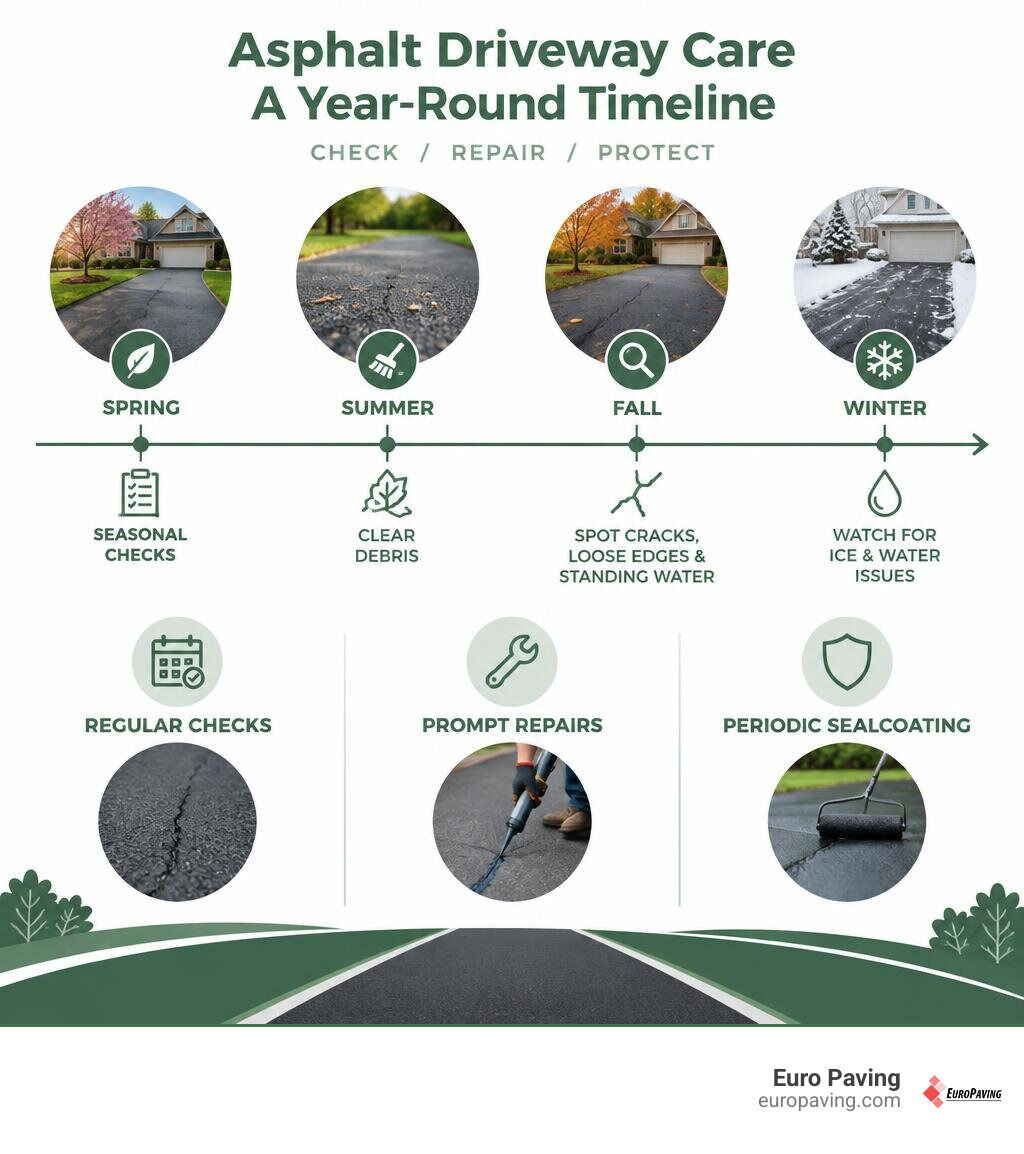
Asphalt driveway maintenance starts with checking the surface in spring and fall, clearing debris, and watching for cracks, loose edges, and standing water. Have cracks and drainage problems assessed promptly by experienced paving specialists. Sealcoating helps protect sound pavement, but it will not fix a weak base, deep depressions, or a sunken foundation.
Chicago-area winters make small openings worth watching closely. Water can enter hairline cracks, freeze during cold snaps, and widen them rapidly. A simple seasonal routine helps property owners spot damage early and decide when a repair needs a professional paving contractor.
Core Pillars of Asphalt Driveway Maintenance
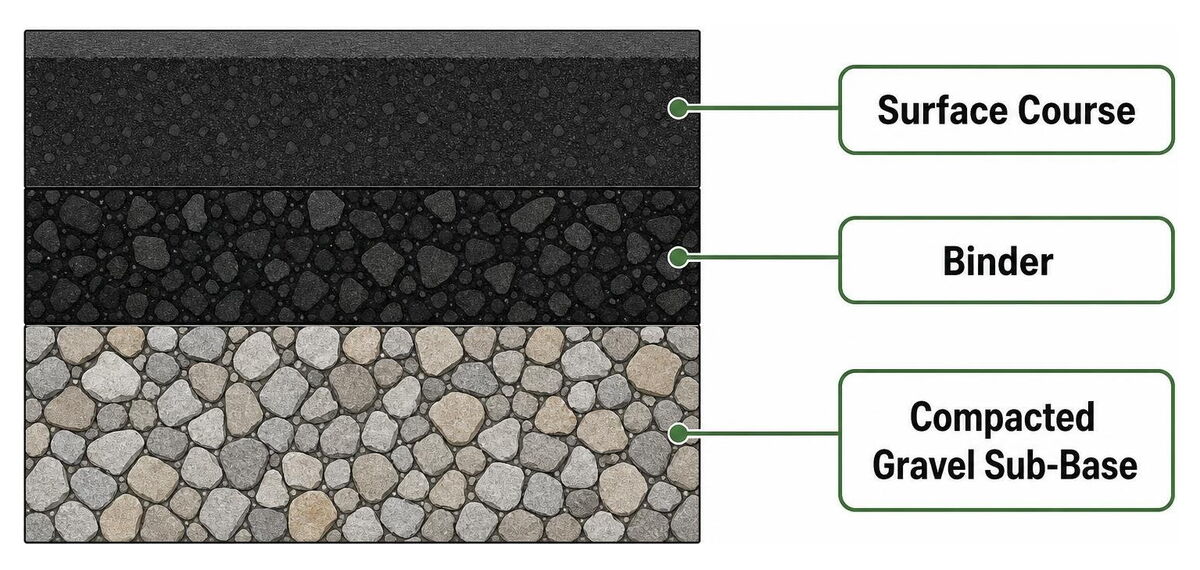
Asphalt pavement consists of stone aggregate bound together by petroleum-based bitumen. Freshly installed asphalt is flexible and rich black, but exposure to sunlight, air, and moisture breaks down the surface binder over time. As oxidation occurs, the surface turns gray, loses flexibility, and begins to develop hairline openings across high-traffic areas.
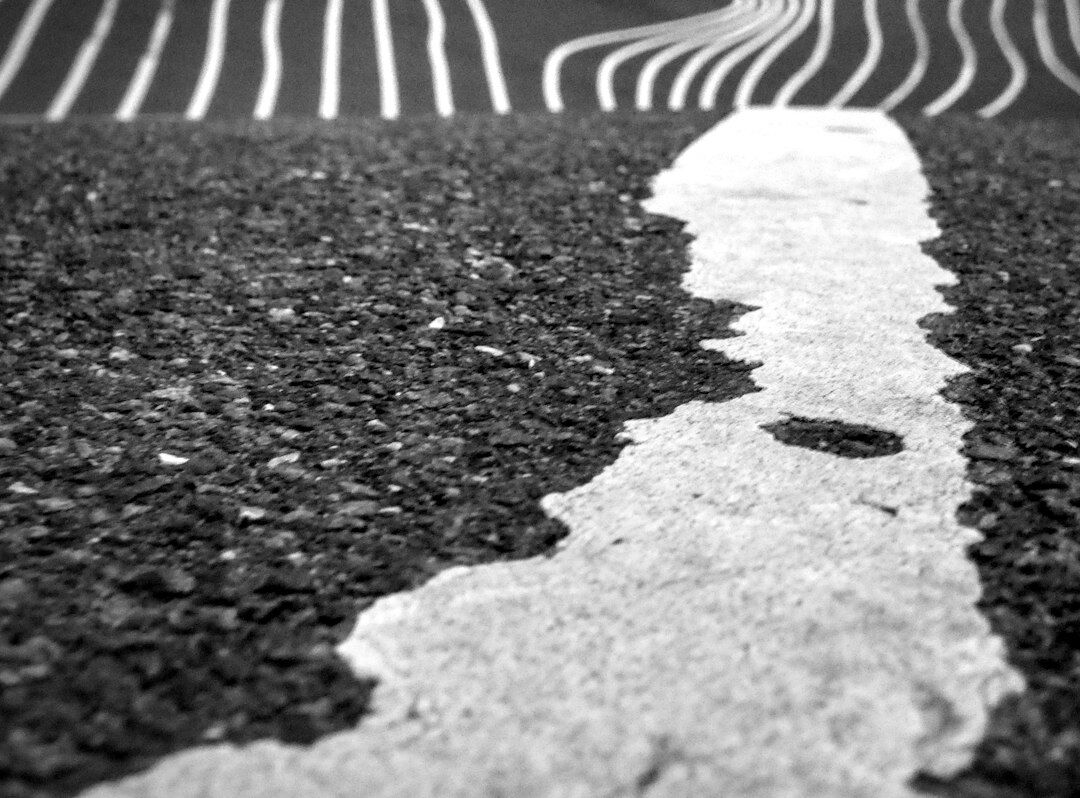
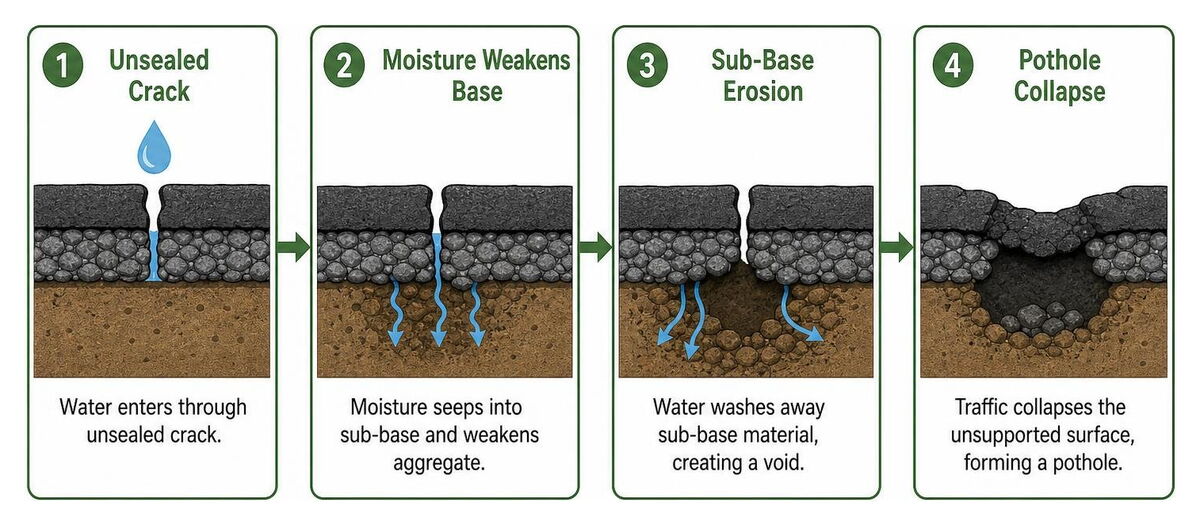
The primary goal of ongoing maintenance is keeping water from penetrating through the asphalt layer down into the aggregate sub-base. When water enters the base, it softens the compacted gravel foundation, leading to depressions, rutting, and surface collapse. Regular visual inspections allow property owners to spot small surface defects before moisture undermines the foundation.
Routine care involves keeping the surface clean, addressing cracks promptly, and maintaining an intact surface barrier against the elements. Scheduling professional crack filling and sealing prevents water ingress, while commercial-grade sealcoating shields the bitumen binder from oxidation, sun damage, and automotive fluids. Following established industry standards for asphalt care and maintenance ensures the pavement remains stable across changing seasons and heavy vehicle usage.
Seasonal Asphalt Driveway Maintenance in Chicago
In Cook and DuPage counties, the local climate creates severe conditions for asphalt pavement throughout the year. The region experiences repeated freeze-thaw cycles every winter. During these cycles, water trapped inside unsealed surface openings expands when it freezes, exerting outward force that breaks the surrounding aggregate bonds and destabilizes the pavement profile.
A structured seasonal plan protects the driveway year-round:
- Spring Evaluation: Once snow melts, inspect the entire driveway for frost heave, edge crumbling, and newly opened fissures. Wash away accumulated road grime, salt, and de-icing residues to evaluate true surface condition accurately before planning any restorative work.
- Summer Protection: Monitor the driveway during hot summer days when high temperatures soften asphalt cement. Avoid sharp steering turns while parked to prevent scuff marks, tire tracking, and surface gouges. Keep heavy equipment and loaded dumpsters off softened sections.
- Fall Winterization: Clear all leaves and organic matter from the pavement. Seal all open cracks before freezing temperatures arrive so moisture cannot enter during winter storms, sleet, or early snowfalls.
- Winter Care: Use plastic snow shovels or snowplows fitted with rubber cutting edges rather than metal blades that scrape and gouge the asphalt. Avoid harsh rock salt; opt for calcium chloride, potassium chloride, or coarse traction sand to manage ice safely without damaging the binder.
Managing Drainage and Surface Stains
Standing water is a primary cause of premature pavement failure across residential properties. A driveway must have a continuous cross-slope to direct rainwater and snowmelt away from the home and off the pavement surface into designated drainage zones. Low spots that hold standing water allow moisture to slowly seep into micro-fissures, weakening the aggregate matrix and washing away subgrade support.
Automotive fluids like motor oil, transmission fluid, brake fluid, and gasoline are petroleum distillates that actively dissolve bitumen. When a leak occurs, the chemical solvent softens the binder, causing loose aggregate to break away under tire traffic. Clean spills immediately using absorbent materials, followed by a dedicated commercial degreasing agent and clean water rinse to neutralize chemical breakdown.
Supporting the driveway edges is equally important for pavement longevity. Unsupported asphalt edges crack and break away under the weight of vehicle tires. Backfilling the sides of the driveway with clean topsoil or compacted crushed stone provides structural side support and encourages proper water runoff into surrounding turf.
Addressing Structural Damage: Cracks, Potholes, and Ruts
When small fissures are left open to weather and traffic, they expand into severe pavement defects that threaten the underlying subgrade. Addressing damage promptly stops base erosion and restores structural integrity across the paved surface.
- Hairline and Linear Cracks: Cracks expand through thermal contraction, oxidation, and base movement. Hot-pour rubberized crack sealants bond securely to clean crack sidewalls, expanding and contracting with seasonal temperature shifts to block water intrusion and prevent freeze-thaw cracking.
- Potholes and Base Failure: Potholes form when water infiltrates the sub-base, washes away fine aggregate, and leaves an empty void beneath the asphalt layer. Passing vehicles then collapse the unsupported surface. Professional repairs require squaring the damaged edges, removing soft subgrade, rebuilding the gravel base, applying tack coat, and compacting a hot-mix asphalt patch flush with the surrounding grade.
- Depressions and Rutting: Longitudinal ruts develop in wheel paths when the subgrade experiences settlement or when heavy vehicles park continuously on softened pavement. Addressing these issues often requires structural asphalt repair and resurfacing to correct elevation, restore slope, and renew base stability.
Professional Asphalt Driveway Maintenance vs Surface Replacement
Not all asphalt damage can be resolved with crack filler and sealcoating. Homeowners must understand when routine surface upkeep is sufficient and when structural rehabilitation or replacement is required.
Alligator cracking—a pattern of interconnected cracks resembling reptile scales—indicates structural failure of the underlying base. Sealcoating over alligator cracking does not solve the problem because the foundation underneath has lost its load-bearing capacity and cannot support vehicle weight.
When structural fatigue covers isolated areas, a contractor can mill out the damaged section and install full-depth asphalt patches. If the base remains sound but the top layer is extensively weathered or pitted, an asphalt overlay provides a fresh driving surface without a full excavation, aligning with standard This Old House guidance on asphalt paving. If base failure is widespread across the driveway, complete excavation and replacement is the only lasting solution.
Protecting Your Asphalt Investment from Daily Wear
Daily driving and parking habits directly influence the lifespan of asphalt pavement. Because asphalt is a flexible thermoplastic material, it responds continually to ambient temperature and concentrated weight.
- Distribute Point Loads: Heavy vehicles such as loaded delivery trucks, recreational vehicles, utility trailers, and dumpster containers place concentrated weight on small contact areas. Place wide wooden planks under jacks, kickstands, and trailer wheels to distribute point loads and prevent deep surface depressions.
- Avoid Stationary Steering: Turning car wheels while a vehicle is parked twists the aggregate and leaves scuff marks, especially during warm summer afternoons when the binder softens. Always ensure the vehicle is rolling slightly before turning the steering wheel.
- Maintain Clear Edges: Keep heavy vehicle tires away from uncurbed pavement borders to prevent edge shear, cracking, and crumbling.
- Hire Qualified Contractors: For major repairs, grading adjustments, or repaving, work with a licensed asphalt contractor who uses proper commercial compaction machinery, laser levels, and high-grade hot mix asphalt to achieve durable, uniform results.
Frequently Asked Questions about Asphalt Driveway Care
How often should a residential asphalt driveway be sealcoated?
Residential asphalt driveways should generally be sealcoated every two to four years, depending on traffic volume, sunlight exposure, and weather conditions. This interval aligns with guidance from the Minnesota Asphalt Pavement Association, which recommends sealcoating on a periodic basis to protect the surface. A newly paved asphalt driveway must cure thoroughly before its first sealcoat application so light oils can evaporate naturally from the fresh mix. Applying sealcoat too frequently causes excess material buildup, leading to surface flaking, peeling, and hairline surface cracks.
What is the most effective way to handle winter ice on asphalt?
The safest approach is clearing snow promptly before it packs down into hard ice. For managing frozen patches, use calcium chloride or potassium chloride de-icers, which are less corrosive to asphalt surfaces and surrounding landscaping than traditional rock salt. Coarse sand can be spread over icy areas to provide instant physical traction without introducing chemical runoff or binder breakdown.
When does an asphalt driveway need professional resurfacing instead of routine upkeep?
Resurfacing is necessary when surface oxidation, shallow pitting, and non-structural cracking cover a large portion of the driveway, but the sub-base remains solid and stable. If the pavement suffers from deep rutting, severe frost heave, or widespread alligator cracking, full-depth reconstruction is required to rebuild the foundation gravel and install new asphalt courses.
Conclusion
Proactive inspection and timely maintenance protect your pavement investment against challenging Midwest weather. Addressing small fissures, controlling heavy loads, and maintaining clear drainage keeps your driveway safe and functional across every season.
Euro Paving delivers comprehensive paving solutions for residential and commercial properties throughout Cook and DuPage counties. Founded in 2006 by Wojciech Chrzanowski, our licensed and insured team is recognized with Unilock Awards of Excellence and holds a 4.9-star rating on Google. As a Unilock Authorized Contractor, we provide complete project support, including clear planning, site grading, and financing through the Unilock DO-IT-NOW program. Unilock pavers and wall blocks carry a lifetime material guarantee from Unilock covering materials only. Brick paver projects start at about $28 per square foot; every quote is individual and depends on the size of the project, the materials and the site.
Whether you need routine surface care, hardscape integration, or complete professional asphalt driveway paving, our team is ready to help.
Request a free estimate and 3D design at https://europaving.com/contact-us/ or call (773) 988-2353.