



Asphalt Driveway Paving in Chicago — Built to Last, Ready When You Are
Chicago driveways take a beating. Brutal winters, heavy freeze-thaw cycles, and scorching July heat break down weak asphalt fast. In Chicago, you need a paving crew that understands the ground beneath your feet — not just the surface on top of it.
Euro Paving has been installing asphalt driveways across Chicago and the suburbs since 2006. We’re licensed, insured, and 5-star rated. Whether you need a brand-new driveway, a full replacement, or a resurfacing job on a worn surface, we handle it start to finish. Get a free estimate and we’ll schedule you fast.
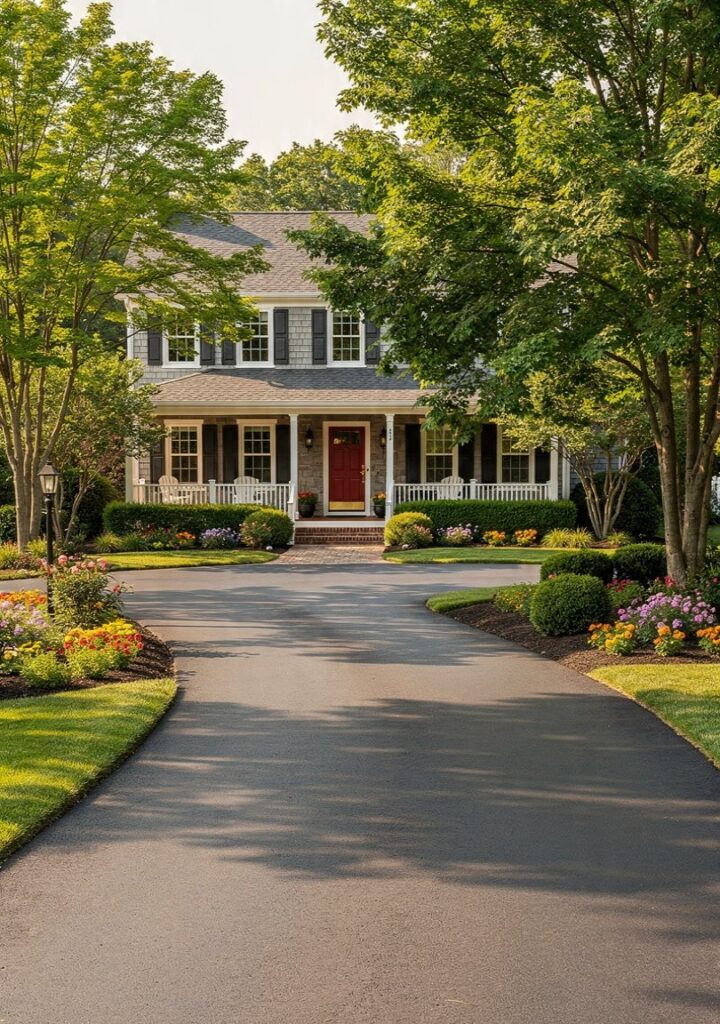
Overlay Fixes Surface Damage — Replacement Fixes the Base
Not every cracked driveway needs to be torn out. The right fix depends on what’s happening below the surface.
An overlay adds a fresh 1.5–2 inch layer of asphalt over your existing driveway. It works when the base is still solid and damage is limited to the top layer — surface cracks, fading, or minor roughness. It costs less and installs in a single day.
A full replacement removes everything — old asphalt, base material, all of it. The crew re-grades the ground, compacts a fresh gravel base, and lays new asphalt from scratch. It’s the only real fix when the base has shifted, sunken, or broken apart.
Here in Chicago, frost heave is the main culprit. Clay-heavy soil expands when it freezes and contracts when it thaws — and it does that dozens of times each winter. An overlay on a damaged base won’t last two years. A full replacement done right will last twenty.
Signs you need a replacement:
- Deep cracks or alligator cracking across large areas
- Sunken or uneven sections where water pools
- Crumbling edges or potholes that keep coming back
Signs an overlay will work:
- Surface cracks only, no deep structural damage
- Driveway is under 20 years old
- Base feels solid — no soft spots or sinking when you walk it
Not sure which one you need? We’ll come out, take a look, and give you a straight answer — no upsell, no pressure.
Asphalt Driveways Cost Less to Install Than Concrete in Chicago
If you’re comparing materials, asphalt wins on upfront cost — and in Chicago’s climate, it often wins on long-term performance too.
Asphalt is a flexible material. It expands and contracts with temperature swings, which matters a lot in a city that goes from -10°F in January to 95°F in August. Concrete is rigid. Without careful joint placement and a well-prepared base, it cracks under those same conditions.
Repair costs tell the same story. Asphalt is straightforward to patch and reseal. Concrete repairs are more labor-intensive and harder to make look seamless.
In neighborhoods like Norridge and Elmhurst, asphalt is the standard for residential driveways. It matches what’s already on your block, installs faster, and costs less to maintain over time.
Asphalt advantages for Chicago homeowners:
- Lower installation cost per square foot than poured concrete
- Flexible — handles freeze-thaw cycles without cracking
- Faster to install — most driveways done in one day
- Easier and cheaper to repair and reseal
- Widely available — shorter scheduling windows
Concrete has its place — patios, decorative surfaces, stamped work. But for a durable, cost-effective driveway in Chicago, asphalt is hard to beat.
Ready to start your project? Contact us for a free estimate on any paving project in Chicago or the surrounding suburbs.
Thickness and Base Depth Decide How Long Your Driveway Lasts
A lot of cheap driveway jobs look fine on day one. They fail by year three. The difference almost always comes down to two things: how thick the asphalt is, and how deep and solid the base underneath it is.
Chicago’s clay-heavy soil moves. It swells when wet, heaves when frozen, and shrinks in dry summers. A thin asphalt layer on a shallow or poorly compacted base has nothing to hold it in place. It cracks, sinks, and crumbles.
Here’s what a properly built driveway looks like:
Residential driveways:
- 2–3 inches of asphalt
- 6–8 inches of compacted gravel base
- Proper grading for water drainage
Commercial driveways and heavy-use areas:
- 3–4 inches of asphalt
- 8–12 inches of compacted base
- Engineered for truck and heavy vehicle traffic
Built to these specs, an asphalt driveway in Chicago lasts 20–30 years with basic upkeep — sealcoating every 3 to 5 years and prompt crack repairs before water gets in.
Before you sign with any contractor, ask them for base depth specs in writing. If they can’t answer that question clearly, keep looking.
New Asphalt Needs 24–72 Hours Before You Walk or Drive on It
Fresh asphalt is hot — literally. It comes off the truck at around 300°F and cools and hardens over the following days. Push it too soon and you’ll leave marks, indentations, or soft spots that are hard to fix.
Here’s a simple timeline to follow after your driveway is paved:
- 24 hours — light foot traffic is fine
- 48–72 hours — passenger cars can park normally (longer in hot summer weather)
- 5–7 days — heavy trucks, delivery vehicles, dumpsters, RVs
In areas like Park Ridge and Des Plaines where garbage trucks run fixed weekly routes, give your driveway at least a week before the truck needs to pull up. If you can redirect them to the street for one pickup, even better.
A few things to avoid in the first 30 days:
- Don’t park in the same spot every day. Concentrated weight in one place can cause slow indentations while the asphalt is still curing.
- Watch the kickstands and heels. Motorcycle kickstands and stiletto heels concentrate weight on a tiny point — keep both off fresh asphalt for two weeks.
- Don’t let sprinklers hit it. Water slows the curing process and can create soft spots near the surface.
The driveway will feel firmer every day. By day 30, it’s fully cured and ready for normal use.
Chicago Summers Soften Fresh Asphalt — Here's What to Watch
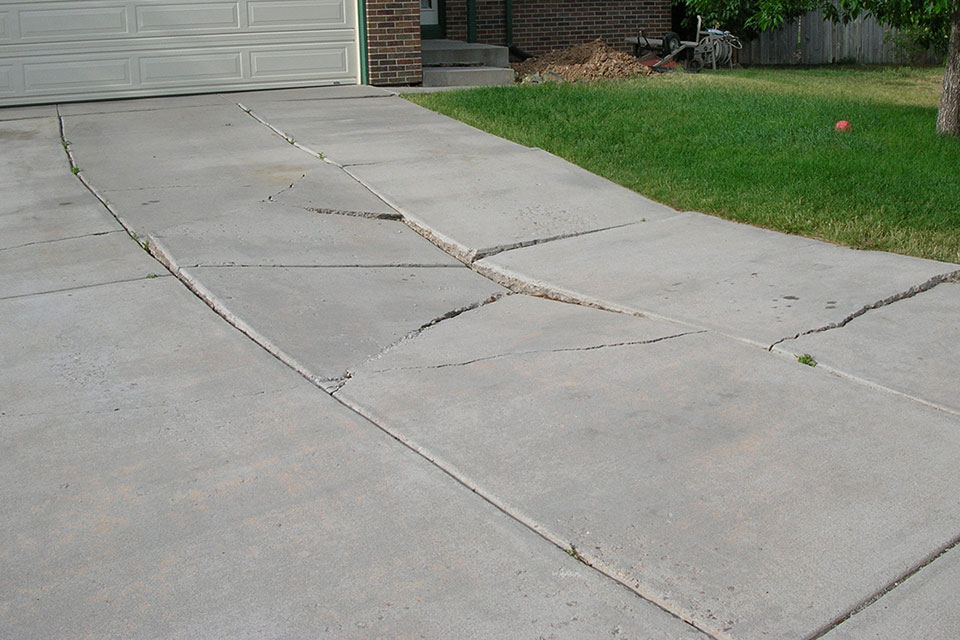
Most people worry about winter. Summer is actually the season that catches new driveway owners off guard.
Asphalt softens in heat. That’s by design — it’s part of what makes it flexible and freeze-thaw resistant. But when surface temps climb above 120°F on a south-facing black driveway in July, fresh asphalt can mark, scuff, or indent more easily than you’d expect.
This isn’t a defect. It’s normal behavior during the curing window. A few simple habits protect your investment through the first summer:
- Don’t turn your wheels while the car is sitting still. Steering while parked grinds the surface and leaves scuff marks. Pull forward a foot, then turn.
- Move your car daily for the first 30 days. Parking in one spot for days at a time in direct summer sun can leave tire impressions.
- Keep bike kickstands on a small board or pad. The narrow contact point digs in easily on warm days.
- Schedule sealcoating in early fall. A quality sealer applied before the first hard freeze protects the surface from water intrusion, UV damage, and road salt all winter. Euro Paving offers sealer coating as a standalone service.
After the first full year, your driveway is fully hardened and far less sensitive to summer temperatures.
Five Questions to Ask Before You Hire an Asphalt Contractor
You’ll get a range of quotes. Some will be much lower than others. Before you go with the cheapest number, ask every contractor these five questions. The answers tell you everything.
In Cook County and DuPage County, contractors must carry proper licensing and general liability insurance. Ask for proof before anyone sets foot on your property. A contractor who hesitates on this question is a red flag.
This is the single most important question. A quality contractor answers without hesitation — and gives you a number (typically 6–8 inches for residential). A vague answer usually means a thin base.
Residential driveways need at least 2–3 inches. Get this in writing in your contract.
Verbal agreements don’t protect you. A written contract should include scope of work, materials, thickness specs, timeline, and payment terms. If a contractor won’t put it in writing, walk away.
Proper grading directs water away from your garage and foundation. Ask how they’ll slope the surface and where the runoff will go. Standing water is the fastest way to shorten a driveway’s life — especially in Chicago.
Frequently Asked Questions
Late spring through early fall — May through October — is the ideal window. Asphalt has to be laid when air temperatures are consistently above 50°F. We get booked up fast in summer, so schedule early if you’re planning a spring or early summer install.
Yes. We grade the surface so water runs away from your garage, not toward it. We’ll assess the drainage situation during your free estimate and walk you through the plan before work starts.
Call us at (773) 988-2353 or submit a request online at europaving.com. We typically schedule estimates within the week and can often get out sooner.
No — asphalt installed with a proper deep base handles freeze-thaw cycles well. Applying a quality sealcoat before the first winter adds an extra layer of protection against water, road salt, and ice.
Yes. Euro Paving offers flexible payment options including the Unilock DO-IT-NOW Program, which lets you move forward on your project now without needing the full amount up front. Ask about financing options when you request your estimate.
GET A FREE ESTIMATE
Euro Paving answers all five questions clearly — every time. We’re licensed, insured, and have paved driveways across Chicago and its suburbs for nearly 20 years. Call us at (773) 988-2353 or fill out our online form to get your free estimate.