



Concrete Driveway Installation & Repair in Chicago
Concrete is one of the most common driveway materials in Chicago. It gives a clean, solid surface and needs less upkeep than asphalt. It also has to survive salt, snow plows and dozens of freeze-thaw cycles every winter, and that is where most concrete driveways fail.
A concrete driveway lasts when the work under and around the slab is done right: removal of the old surface, a compacted base, the right thickness and reinforcement, joints, and drainage away from the garage and the house.
Euro Paving has installed driveways across Chicago and the suburbs since 2006. We build concrete, brick paver and asphalt driveways, so we can compare the options with you honestly.
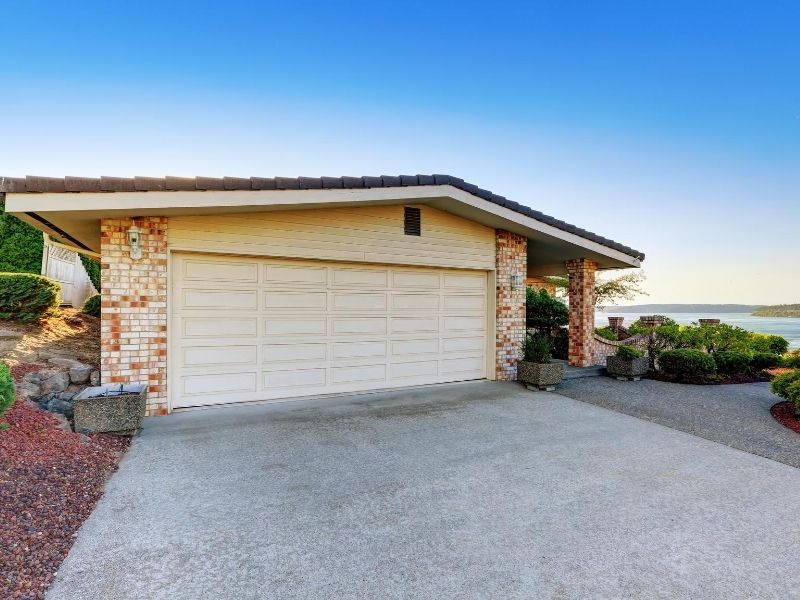
Repair, Resurface or Replace? It Depends on the Base
Not every damaged driveway has to come out. What it needs depends on why it is failing:
- Hairline cracks can usually be cleaned, filled and sealed.
- Surface flaking (spalling) from salt and frost is mostly cosmetic at first, but it gets worse each winter.
- Sunken or tilted sections, wide cracks and heaving mean the base underneath has failed. Patching the surface will not fix that.
When the base is the problem, the lasting fix is to remove the affected slabs, rebuild the base and pour new concrete. We look at the whole driveway, including the apron and the joint at the garage, before we recommend anything. More on this in our guide to fixing large cracks in a concrete driveway.
What Goes Under the Slab Matters Most
A new concrete driveway is only as good as what it sits on. Our installs include:
- removal and haul-away of the old driveway;
- excavation and a compacted gravel base;
- a slab thickness chosen for the vehicles that use it, stated in your quote;
- reinforcement where the design calls for it;
- expansion joints at the garage, sidewalk and other fixed edges, and control joints across the slab;
- a slope that sends water away from the garage and foundation.
Ready to start your project? Contact us for a free estimate on any paving project in Chicago or the surrounding suburbs.
Keep Salt Off New Concrete
New concrete is most sensitive to salt in its first winter. Rock salt and freeze-thaw cycles are the most common reason the surface starts to flake. Use sand for traction that first season, and after that choose a de-icer that is labeled safe for concrete.
A penetrating sealer helps keep water and salt out of the surface. We will tell you when your new driveway is ready to be sealed.
Aprons, Sidewalks and Permits
The apron, the part between the public sidewalk and the street, is usually on public land. In Chicago and in many suburbs, work there and many driveway replacements need a permit, and some towns have rules on width and materials.
Before work starts, we check what your city or village requires and include it in the plan, so there are no surprises.
Concrete, Pavers or Asphalt for Your Driveway?

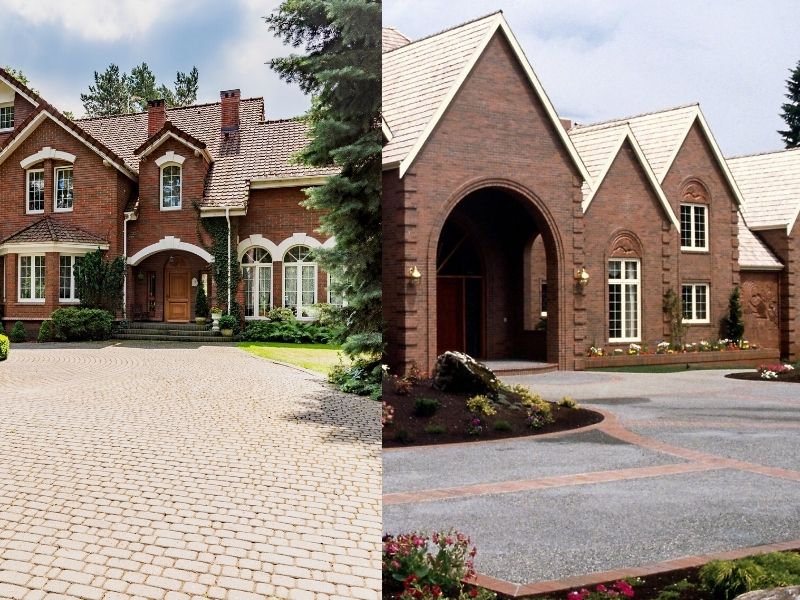
Concrete gives a clean, smooth surface and needs less upkeep than asphalt, but cracks and patches stay visible. Brick pavers cost more to install, flex with frost instead of cracking and can be repaired one paver at a time; Unilock pavers also come with a lifetime material guarantee. Asphalt has the lowest upfront cost but needs regular sealcoating.
There is no single right answer. It depends on your budget, how long you plan to stay and how you want the front of your home to look. We are happy to price more than one option.
Five Questions to Ask Before You Hire a Concrete Driveway Contractor
Concrete driveway quotes can look similar and still describe very different jobs. Ask these five questions and compare the answers.
Ask for the slab thickness and the depth of the compacted gravel base in writing. Thin concrete on a weak base is the most common reason driveways crack and sink early.
Ask what reinforcement is planned and why. The answer should fit your soil and the vehicles that use the driveway.
There should be expansion joints where the driveway meets the garage floor, the sidewalk and other fixed edges, and control joints across the slab so cracks stay in the joints.
The driveway should slope away from the garage and the house. Ask how downspouts and low spots will be handled.
Removal of the old driveway, hauling, base, apron work, permits and cleanup should all be listed. Euro Paving gives a fixed written quote after the visit.
Frequently Asked Questions
A well-built concrete driveway on a solid base can last for decades. Salt, drainage and the quality of the base decide how long it keeps looking good. Sealing and careful de-icing help a lot.
You can usually walk on it after about a day, but cars should wait longer while the concrete gains strength, often around a week. We will give you exact times for your driveway, based on the weather while it cures.
Concrete shrinks as it cures and moves with temperature and frost. Control joints give it a place to crack neatly. Cracks that spread, widen or come with sinking usually point to a base or drainage problem. Our guide on sinking concrete slabs explains the warning signs.
Yes. If only some slabs or the apron are damaged, we can remove and replace those sections. The new concrete may look a little different in color from the old slabs at first.
It depends on the size, removal of the old driveway, the base and thickness needed, the apron, permits and access for trucks. We visit, measure and give you a fixed written quote. The estimate is free.
GET A FREE ESTIMATE
Tell us about your driveway. We will look at the slab, the base and the drainage, explain your options and give you a free written estimate. See all our concrete services in Chicago.