



Thinking about sprucing up your backyard? A brick paver patio might be just the ticket. It’s more than just a place to put your patio furniture; it’s a real outdoor living space. Whether you’re picturing cozy evenings by a fire pit or lively summer barbecues, a well-designed brick paver patio can really make your yard feel complete. Let’s look at how to get yours just right.
Key Takeaways
- When picking out your brick paver patio, think about different patterns like herringbone or basketweave, and choose colors that match your home’s style.
- You can add cool features like built-in seating, outdoor kitchens, or even a fire pit to make your brick paver patio more functional and fun.
- Brick pavers are a solid choice because they last a long time, look good for years, and can handle tough weather, making them a smart investment.
- Planning is key for a great brick paver patio; consider focal points, borders, and even use 3D tools to see how it will look before you start.
- Proper installation, especially the base and drainage, plus using polymeric sand for the joints, is super important for a durable brick paver patio.
Choosing The Perfect Brick Paver Patio Design
Picking out the right design for your brick paver patio is where the fun really begins. It’s not just about laying down some bricks; it’s about creating an outdoor space that feels like an extension of your home. Think about how you want to use the patio – is it for big family gatherings, quiet mornings with coffee, or maybe a mix of both? The pattern you choose can really set the mood and even affect how the space feels.
Exploring Popular Brick Paver Patterns
There are tons of ways to lay bricks, and each one gives a different vibe. Some patterns are super strong and great for areas that get a lot of foot traffic, while others are more about looks.
Here are a few popular ones:
- Herringbone: This pattern looks like a V-shape or a fish skeleton. It’s really strong because the bricks are laid at angles, which helps them lock together. It’s a top pick for driveways or patios that see a lot of action. You can see some great examples of paver patterns designed for easy installation that include this style.
- Running Bond: This is a classic. It’s basically bricks laid in straight, parallel rows, offset by half a brick. It gives a clean, linear look and works well for walkways or larger patios. It can make a space feel longer.
- Basketweave: This one has a woven look, with bricks laid both horizontally and vertically next to each other. It gives off a charming, vintage feel and doesn’t usually require a lot of tricky cuts.
- Circular/Mosaic: If you want a real focal point, a circular pattern is fantastic. These radial layouts are perfect for centering a fire pit or a seating area. They naturally draw people in.
The pattern you choose isn’t just about looks; it affects how the patio holds up over time, especially in places with tough weather. A well-chosen pattern can make your patio feel more solid and last longer.
Selecting Brick Colors To Complement Your Home
Choosing the right color for your bricks is a big deal. You want it to look good with your house and your landscaping. A good rule of thumb is to look at the permanent colors of your home – like the roof, window frames, or siding. You can either match the brick color to your home for a smooth, traditional look, or go for a contrasting color to make your patio pop and highlight your home’s architecture. For instance, dark charcoal bricks can look really sharp against a light-colored house.
Incorporating Unique Shapes And Textures
Don’t be afraid to get a little creative! Beyond the standard rectangular bricks, you can find pavers in different shapes and sizes. Some bricks have a distressed look that gives a patio an old-world feel, while others might have a rougher texture for better grip. Mixing different textures or even using different sizes of bricks can add a lot of visual interest. You can also think about borders – like a row of bricks standing on end around the edge – to define the patio space and add another layer of design. This is where popular paver patio designs really shine, offering a unique aesthetic for your outdoor space.
Elevating Your Brick Paver Patio With Added Features
A brick paver patio is a fantastic base, but why stop there? You can really turn your backyard into an amazing outdoor living space by adding some cool features. Think about what you love to do outside – maybe it’s cooking, relaxing by a fire, or just spending time with family and friends. We can build those dreams right into your patio.
Integrating Custom Fire Pits For Ambiance
Nothing beats the cozy feeling of a fire on a cool evening. A custom fire pit built right into your patio is a game-changer. It’s not just about warmth; it creates a natural gathering spot. We can design them in all sorts of shapes and sizes, from sleek modern squares to classic round pits. Imagine roasting marshmallows or just enjoying the glow with loved ones. It really makes your patio the heart of your backyard. For more ideas on how to get this cozy vibe going, check out a guide to brick fire pits.
Designing Built-In Seating Walls
Forget about dragging out patio chairs every time. Built-in seating walls are a super practical and stylish addition. These low brick walls can wrap around your patio, creating a defined space and offering plenty of seating without taking up extra room. They look great, add a sense of permanence, and make entertaining a breeze. Plus, they can double as a border for your patio or garden beds.
Adding Outdoor Kitchens And Grills
If you love to cook and entertain, an outdoor kitchen is the ultimate patio upgrade. We can integrate grills, countertops, sinks, and even pizza ovens right into your brick paver design. It means you can prepare and serve meals without constantly running back and forth to your indoor kitchen. This transforms your patio into a fully functional entertainment hub. It’s a big project, but the convenience and wow factor are totally worth it. You can explore some amazing backyard design ideas using pavers to get a feel for the possibilities.
The Enduring Appeal Of Brick Paver Patios
Understanding The Durability And Longevity Of Brick
When you’re thinking about a patio, you want something that’s going to stick around, right? Brick pavers are a solid choice for that very reason. They’ve been used for ages, and for good cause. Unlike some other materials that might crack or fade after a few years, brick is built tough. The color is actually fired into the brick itself, so it doesn’t just wash off or fade away in the sun. This means your patio will look pretty much the same year after year, no matter if it’s baking in the summer heat or buried under a pile of snow. It’s a material that really stands the test of time.
Appreciating The Timeless Aesthetic
Beyond just being tough, brick has this classic look that just doesn’t go out of style. It has a certain warmth and character that can make any backyard feel more inviting. Whether your house is old or new, brick tends to fit right in. It’s not flashy, but it’s got a solid, dependable feel to it. Plus, the way bricks can be laid in different patterns means you can get a look that’s totally unique to your home. It’s that kind of lasting style that makes a brick patio a great investment.
Benefits Of Brick Pavers In Extreme Weather
Living in a place with wild weather swings, like Chicago, means you need materials that can handle it. Brick pavers are surprisingly good at this. They don’t get all messed up when water freezes and thaws, which is a big deal around here. That means fewer cracks and less damage over time. Also, brick has this neat ability to soak up heat during the day and then release it slowly when it gets cooler in the evening. So, even after the sun goes down, your patio can stay a bit warmer, making those cool nights a lot more comfortable. It’s a practical choice for dealing with whatever Mother Nature throws your way. You can explore different brick patio floor inspiration to see how these materials can transform your space.
Designing Your Dream Brick Paver Patio
So, you’ve decided on brick pavers for your patio – smart move! Now comes the fun part: actually designing it. It’s not just about laying down some bricks; it’s about creating a space that feels right for you and your home. Think of it like painting a picture, but on a much bigger scale, right in your backyard.
Creating Focal Points With Pattern and Color
Want your patio to really grab attention? You need a focal point. This could be a cool fire pit area, a built-in seating nook, or even just a really striking pattern in the brick itself. Patterns like herringbone or basketweave can add a lot of visual interest. Herringbone, for example, is super strong and looks great, especially for areas that get a lot of use. It’s a classic for a reason. Then there’s color. Don’t feel like you’re stuck with just plain red. You can mix colors, use contrasting borders, or even choose bricks with a distressed look for an old-world vibe. Choosing the right combination of pattern and color is key to making your patio feel unique and intentional.
Utilizing Borders For Definition
Borders are like the frame on a picture – they really help define the space. You can use a simple
Professional Installation For Your Brick Paver Patio
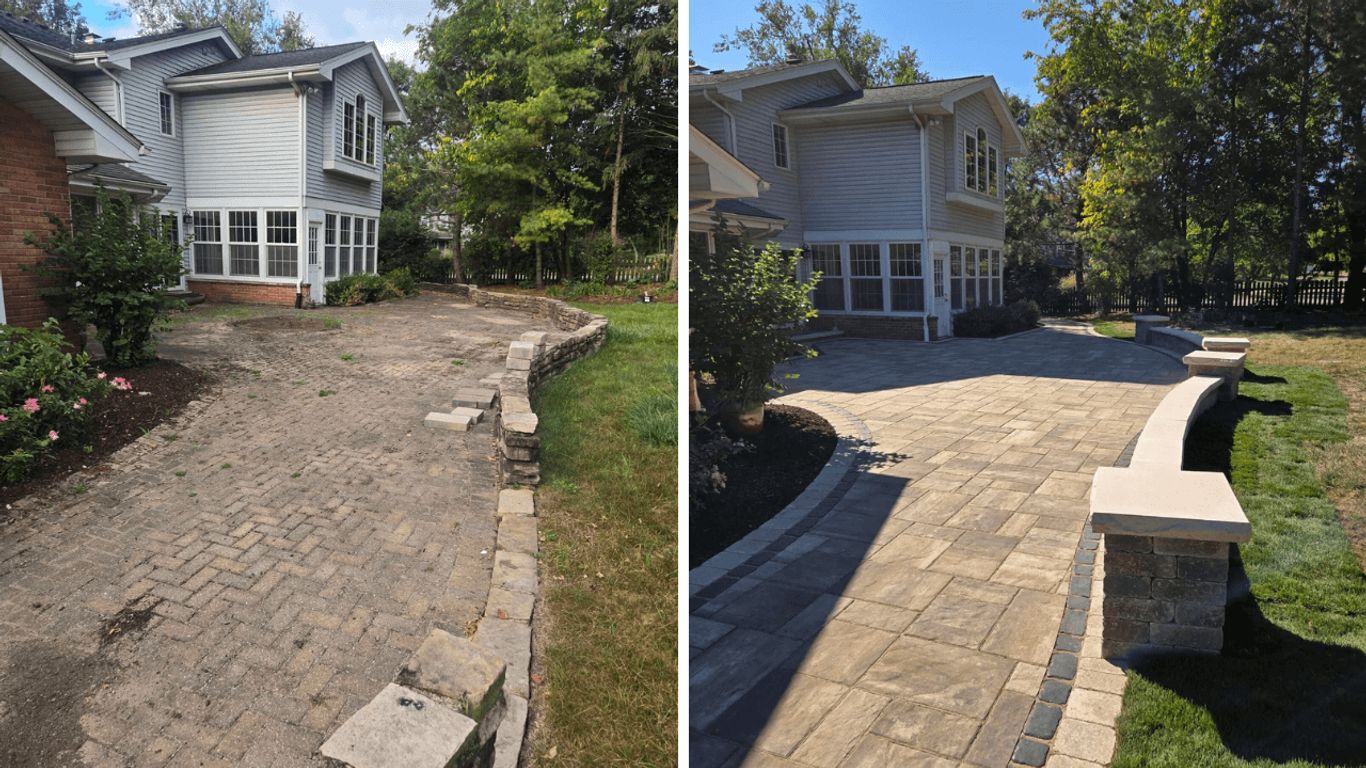
So, you’ve picked out the perfect bricks and the most amazing pattern for your new patio. That’s awesome! But here’s the thing, even the prettiest bricks won’t last if they’re not put in right. It’s kind of like building a house – the foundation is everything.
The Importance Of Sub-Base And Drainage
This is where the real work happens, and honestly, it’s the most important part. You can’t just throw bricks on dirt and expect them to stay put, especially with weather like ours here in Chicago. Professionals start by digging down, usually about 8 to 12 inches, depending on the ground. Then, they build up a solid base using layers of crushed stone that get packed down really tight. On top of that, there’s a layer of sand. This whole setup is what keeps your patio from sinking or shifting over time.
And drainage? Super important. You need the patio to slope just a little bit away from your house, like a quarter-inch for every foot. This stops water from pooling up and potentially causing problems with your foundation. It sounds simple, but getting it just right makes a huge difference in the long run.
Finishing Touches With Polymeric Sand
Once all the bricks are laid out in that beautiful pattern you chose, there are the joints between them. This is where polymeric sand comes in. It’s not like regular sand; this stuff has a special binder in it. When you lightly mist it with water, it hardens up. Think of it like grout for your patio. This does a few cool things: it locks the bricks together, making the whole surface more stable. It also stops weeds from popping up between the cracks and keeps ants from deciding your patio is their new home. It really gives the whole patio a finished, solid feel.
Long-Term Care And Maintenance
Even though brick patios are pretty tough, a little bit of care will keep yours looking great for ages. It’s a good idea to sweep off leaves and other debris regularly so they don’t stain the bricks. If you notice the sand in the joints is washing out over time, it might be time for a re-sanding. For the best protection, especially against things like grease from a grill or just general wear and tear, consider getting your patio professionally cleaned and sealed every few years. This sealant acts like a shield, making cleaning easier and protecting the bricks from harsh weather. It’s a small investment that really helps maintain that ‘just-installed’ look for years to come. If you’re looking for help with installation or maintenance, you can find local paver installation professionals who know their stuff.
Getting the installation done right the first time saves a lot of headaches and money down the road. It’s about building something that lasts and looks good doing it.
Material Selection For Your Brick Paver Patio
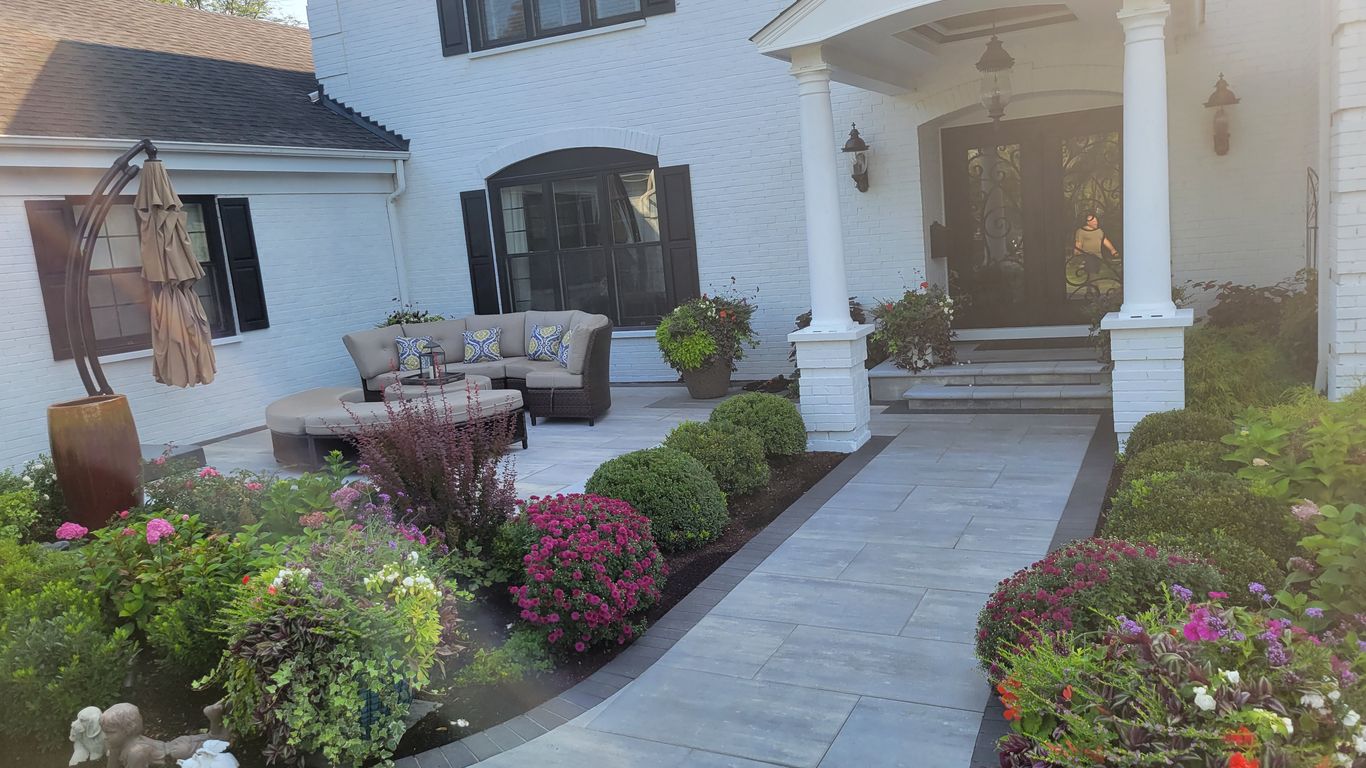
When you’re planning out your dream patio, one of the first big decisions you’ll make is what material to use. It’s not just about looks, though that’s a big part of it. The material you choose will affect how long your patio lasts, how much upkeep it needs, and even how it feels underfoot. Let’s break down the main options.
Clay Brick Pavers: Pros and Cons
Clay bricks have been around forever, and for good reason. They offer a classic, timeless look that just doesn’t go out of style. The color is actually fired into the clay itself, so it won’t fade over time, no matter how much sun or snow you throw at it. This means your patio will look great for years and years. Plus, they have a nice texture that provides good grip, which is a plus for safety. On the flip side, clay bricks can be a bit pricier upfront, and you’re usually limited to more traditional shapes. They can also be a little more work to install compared to some other options.
Concrete Pavers: Advantages and Considerations
Concrete pavers are super popular because they offer a huge variety of shapes, sizes, and textures. You can get almost any look you want with concrete, from modern and sleek to rustic and natural. Many concrete pavers are engineered to handle tough conditions, like salt damage and heavy loads, making them a really practical choice. They’re often a bit easier to install in complex patterns too. While the color in concrete pavers is very durable, it’s applied to the surface, so over many, many years, there might be some slight fading if they aren’t sealed. High-quality brands have really improved this, though.
Choosing Materials For Chicago Climates
Living in a place like Chicago means your patio has to deal with some serious weather. We’re talking about freezing temperatures, thawing, and then freezing again – the dreaded freeze-thaw cycle. This is where the quality of your materials and, more importantly, the installation really matters. Both clay and concrete pavers can hold up well if installed correctly, but it’s worth noting that clay bricks are naturally colorfast, meaning their color is baked in and won’t fade. Concrete pavers, especially from good brands, are also built to last and offer more design flexibility. The key is a solid foundation and proper drainage, no matter which material you pick.
| Feature | Clay Brick Pavers | Concrete Pavers (High-Quality) |
|---|---|---|
| Color Longevity | Exceptional | Very High |
| Slip Resistance | High | High to Very High |
| Shape Variety | Limited | Extensive |
| Durability | High | Very High |
| Initial Cost | Higher | Moderate |
| Installation Ease | More Involved | Generally Easier |
Choosing the right bricks for your patio is super important! It’s not just about looks; the type of material you pick can affect how long your patio lasts and how easy it is to care for. We’ve got all the info you need to make a smart choice. Ready to build the patio of your dreams? Visit our website to explore all your options and get started today!
Ready to Build Your Dream Patio?
So, you’ve seen all the ways a brick paver patio can really change your backyard. It’s not just about adding a flat surface; it’s about creating a whole new outdoor living area. Think about all those summer nights, family get-togethers, or just quiet mornings with a cup of coffee out there. Brick offers that timeless look that just doesn’t go out of style, and it holds up well against all kinds of weather. Whether you’re picturing a simple, clean design or something more elaborate with a fire pit or outdoor kitchen, brick pavers can make it happen. It’s a solid investment that adds beauty and function to your home for years to come. Ready to take the next step and turn that patch of grass into your favorite spot?
Frequently Asked Questions
What are the most popular brick paver patterns for patios?
Some really popular patterns include the herringbone, which looks like a fishbone and is super strong, the running bond with its clean lines, and the basket weave that gives a cool, woven look. Circles are also great for making a cozy spot, especially around a fire pit.
How do I pick the best brick color for my patio?
Think about the main colors of your house, like the roof or siding. You can either pick bricks that match these colors for a smooth look, or choose a contrasting color to make your patio stand out. It’s all about what looks best with your home’s style.
Can brick patios handle tough weather like in Chicago?
Yes, brick is a fantastic choice for places with harsh weather! Bricks are tough and can handle freezing and thawing without cracking easily. Plus, their color stays vibrant even after years of sun and snow, unlike some other materials.
What’s the difference between clay brick pavers and concrete pavers?
Clay bricks get their color all the way through from being baked in a kiln, so the color never fades. They have a classic look but usually come in basic shapes. Concrete pavers offer tons of shapes, sizes, and colors, and are often a bit cheaper, but their color might fade a little over time if not sealed.
How much does it cost to install a brick paver patio?
The cost can range quite a bit, usually between $15 to $30 per square foot. This depends on how fancy your design is, the type of bricks you choose, and if you add special features like outdoor kitchens or fire pits. It’s an investment, but brick patios often add a lot of value to your home.
What kind of maintenance do brick paver patios need?
Brick patios are pretty easy to care for. Just sweep them regularly to keep them clean. If the sand between the bricks starts to wash away, you might need to add more. It’s also a good idea to have them professionally cleaned and sealed every few years to keep them looking their best and protected from stains and weather.