



Stamped Concrete Patios in Chicago, Built for Freeze-Thaw Winters
A stamped concrete patio is poured concrete that is colored and pressed with textured mats while it is still wet. When it cures, the surface looks like slate, flagstone, cobblestone or brick. It is one continuous slab, so there are no joints for weeds to grow through.
In Chicago, the difference between a patio that lasts and one that flakes after a few winters is mostly in the parts you never see: the base, the control joints, the concrete mix and the sealer. This page explains what to ask about each one.
Euro Paving has built patios, driveways and walkways across Chicago and the suburbs since 2006. We install both stamped concrete and paver patios, so we can tell you honestly which one fits your yard and budget.
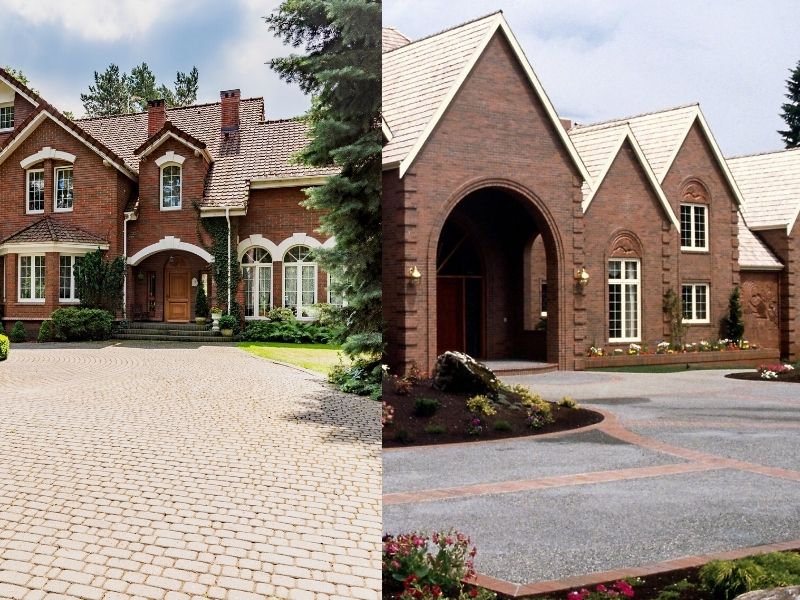
Stamped Concrete or Pavers? The Honest Difference
Stamped concrete usually costs less to install than interlocking pavers, and a single slab needs little weeding. Pavers cost more up front, but they move with frost instead of cracking, and one damaged paver can be lifted and replaced without a visible patch.
Stamped concrete will crack at some point, like any concrete. Good control joints decide where. The color can fade over time, and repairs on a stamped surface are hard to hide. If low upfront cost and a smooth, continuous surface matter most to you, stamped concrete is a good choice. If you want the easiest long-term repairs, look at pavers.
During the free estimate we can show you both options for your space.
Why Stamped Concrete Cracks, and How We Control Where
Concrete shrinks while it cures and moves every time the ground freezes and thaws. We plan for that from the start:
- a compacted gravel base, so the slab has even support;
- concrete made for freeze-thaw climates;
- control joints at planned spacing, so cracks form in the joint and not across the pattern;
- a slope away from the house, so water does not sit on the patio or run toward your foundation.
These steps do not make concrete crack-proof, but they keep cracks where they belong and help the patio stay level.
Ready to start your project? Contact us for a free estimate on any paving project in Chicago or the surrounding suburbs.
Sealer Keeps the Color and the Surface
Stamped concrete needs a sealer. It protects the color from sun, keeps stains and salt from soaking in, and deepens the look of the pattern. Plan to clean and reseal every few years, depending on how much sun and traffic the patio gets.
A glossy sealer can be slippery when wet. Near steps, doors and pools we can add an anti-slip additive to the sealer.
Winter Care: Go Easy on Salt
Rock salt and freeze-thaw cycles are the most common reasons the top layer of concrete starts to flake off (spalling), especially in the first winter after the pour. Use sand for traction instead of salt, clear snow with a plastic shovel, and do not let de-icing salt from the driveway get tracked onto the patio.
A well-sealed patio holds up much better through a Chicago winter.
Patterns, Colors and Borders That Suit Chicago Homes
Popular stamp patterns include ashlar slate, flagstone, cobblestone and wood plank. Many homeowners pick one main pattern and a border in a contrasting color, which frames the patio and hides the edge of the slab.
Simple patterns and natural colors usually suit Chicago bungalows, ranches and brick homes best, and they age well. Color can be mixed into the concrete, added on the surface, or both. We will bring samples and help you match your house, steps and existing walkways.
If you would like to see the layout first, ask about our 3D design.
Five Questions to Ask Before You Hire a Stamped Concrete Contractor
Quotes for stamped concrete can be very different from one contractor to the next. Ask these five questions and compare the answers before you choose.
Ask how deep the excavation will be, how much gravel base goes in and how it will be compacted. A patio slab poured on soft or uneven soil will settle and crack no matter how nice the stamp looks.
Joints should be planned before the pour and placed where the pattern can hide them. Without them, the concrete will crack in random places across the design.
In Chicago the mix matters. Ask whether the concrete is designed for freeze-thaw exposure, and how they will protect it if the weather turns cold during curing.
A good contractor tells you which sealer goes on, whether an anti-slip additive makes sense, and when you should plan to reseal.
Tear-out of the old patio, hauling away debris, steps, borders, colors and cleanup should all be listed. Euro Paving gives a fixed written quote after the visit.
Frequently Asked Questions
With a solid base, planned control joints and regular cleaning and resealing, a stamped concrete patio can last for decades. The structure usually lasts longer than the finish: the color and surface need care over the years, and small cracks are normal.
Fresh concrete must not freeze while it cures. We pour stamped concrete in the warmer months, from spring to fall, and watch the forecast before every pour.
It can be when wet, mainly with a glossy sealer. We can add an anti-slip additive to the sealer, especially near steps, doors and around a pool.
Often a deep clean and a new coat of sealer bring back much of the color. If the slab is badly cracked, sunken or flaking, replacing it, or switching to pavers, may make more sense. We will tell you honestly which one it is after we see it.
The price depends on the size and shape of the patio, removal of the old surface, the pattern and number of colors, steps or borders, and access for equipment. We visit, measure and give you a fixed written quote. The estimate is free.
GET A FREE ESTIMATE
Tell us about your patio. We will come out, measure, show you pattern and color samples and give you a free written estimate, with an honest comparison to pavers if you want one. See all our concrete services in Chicago.