



Why Brick Patio Paver Ideas Are Dominating Backyards in 2026
If you’ve been searching for brick patio paver ideas, here are the most popular options homeowners are choosing right now:
- Herringbone – the strongest pattern; great for high-traffic areas and driveways
- Running Bond – classic staggered layout with visual flow; easy to install
- Basketweave – traditional look with a woven feel; pairs well with colonial homes
- Circular/Whorled – stunning around fire pits and focal points
- Stack Bond (Grid) – clean, modern lines for contemporary spaces
- Pinwheel – decorative and eye-catching; best left to professionals
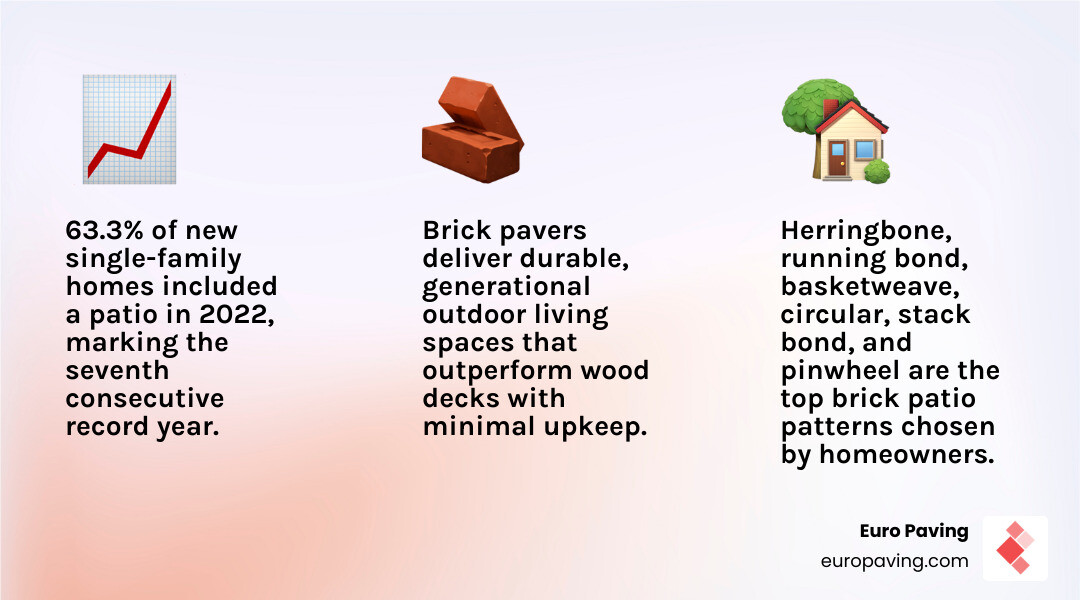
There’s a reason patios keep showing up in new builds. In 2022, 63.3% of new single-family homes included a patio — the seventh consecutive record-breaking year. And that number has only grown since.
Homeowners aren’t just adding a slab of concrete anymore. They want outdoor rooms — spaces with fire pits, outdoor kitchens, and seating areas that feel like a natural extension of the home.
Brick pavers deliver exactly that. They’re durable, beautiful, and unlike wood decks, they can last for generations with minimal upkeep. In 2026, the trend is clear: more homeowners across Chicago’s suburbs — from Arlington Heights to Hinsdale — are investing in custom brick patio designs that turn an unused backyard into a space the whole family actually uses.
This guide covers the best patterns, materials, and design ideas to help you build the outdoor space you’ve been picturing.
Brick patio paver ideas definitions:
Trending Brick Patio Paver Ideas for 2026
As we move through 2026, the landscaping world has seen a massive shift toward “biophilic design”—the art of connecting our built environments with nature. In our work across the Chicago area, we’ve noticed that homeowners are moving away from the “cookie-cutter” look. They want textures that feel established and patterns that tell a story.
The Structural Strength of Herringbone Brick Patio Paver Ideas
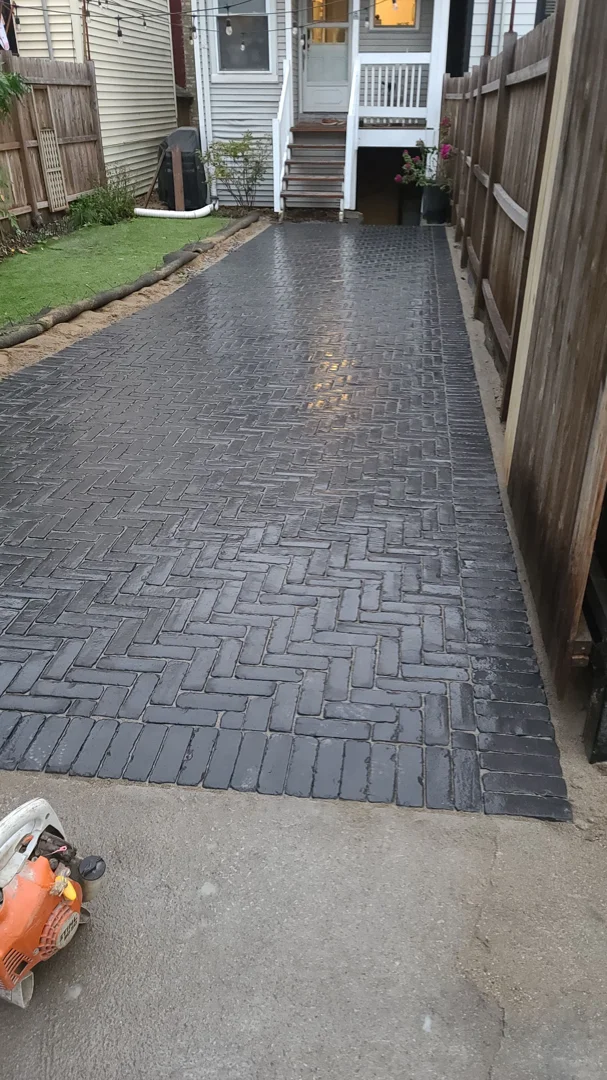
If you are looking for the “gold standard” of durability, look no further than the herringbone pattern. This zig-zag design isn’t just for show; it’s an engineering marvel. By laying bricks at 45-degree or 90-degree angles to one another, the pavers interlock so tightly that they resist shifting under the weight of heavy patio furniture or even vehicles. This makes it one of the most reliable brick patterns for patios 2024 and beyond.
However, because of those intricate angles, herringbone requires a higher level of precision. We usually recommend ordering a 15% material overage to account for the necessary cuts along the borders. While it takes longer to install than a simple straight line, the payoff is a high-end, “unbreakable” floor that handles the Chicago freeze-thaw cycle like a champ.
Artistic Circular and Whorled Brick Patio Paver Ideas
For those who want a true “wow” factor, circular or whorled patterns are making a huge comeback. These designs act as visual centerpieces, drawing the eye toward a specific area like a dining table or a custom fire pit. Creating these requires expert masonry, as more than half of the bricks often require precise, tapered cuts to maintain the radius. If you’re looking for inspiration, you can see how these look in practice by browsing 68 Best Brick Pavers ideas – Pinterest or checking out the best circular brick patio pictures for your next project.
Matching Paver Designs to Architectural Styles
A patio shouldn’t look like an afterthought; it should look like it grew out of your home’s foundation. In Barrington and Lake Forest, where traditional architecture is common, we often use different brick patio paver ideas than we would for a minimalist new-build in the city.
Traditional and Colonial Aesthetics
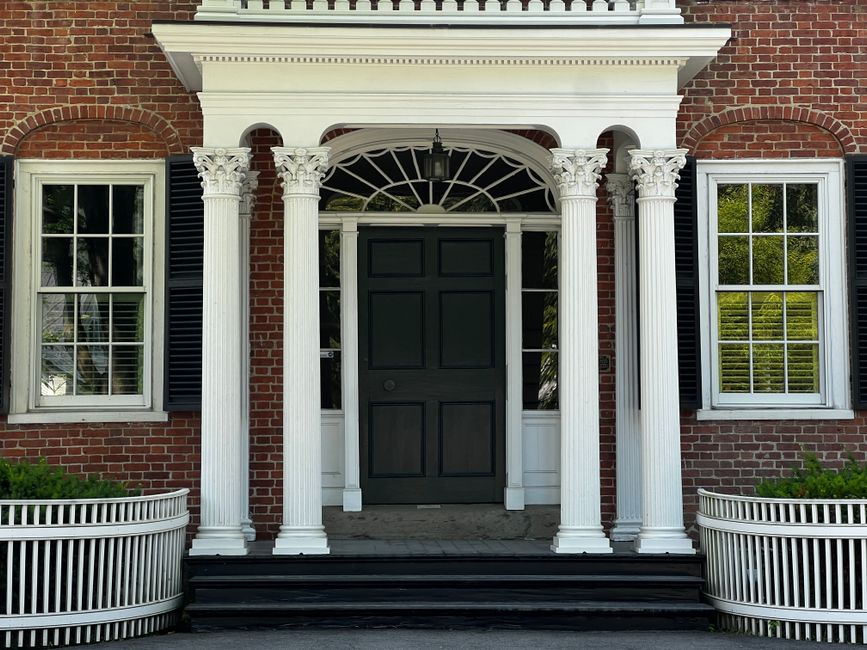
For homes with historic charm, red clay bricks with weathered or “tumbled” finishes are the way to go. Patterns like the Running Bond (the classic staggered look) or Basketweave (pairs of bricks laid perpendicular to each other) evoke a sense of timelessness. These styles feel established the moment the last joint sand is swept in. We’ve found that homeowners in Arlington Heights, Skokie, and Glenview often prefer these warm earth tones because they complement the existing masonry of their residences. You can explore more about these brick patio designs and hardscaping ideas for modern homes to see how tradition meets function.
Modern and Contemporary Layouts
On the other end of the spectrum, modern homes in places like Hinsdale and Downers Grove are trending toward monochromatic schemes. Think charcoal, light sands, and warm grays. The Stacked Bond (or Jack-on-Jack) pattern, where bricks are lined up perfectly in a grid, offers clean lines that match the “less is more” philosophy of contemporary design. Large-format pavers are also incredibly popular right now; they create fewer seams, making a small space feel significantly larger and calmer. For a truly spectacular brick patio in Hinsdale IL, mixing these modern textures with a sleek border can elevate the entire backyard.
Integrated Features for High-End Outdoor Living
The best brick patio paver ideas are those that incorporate functionality directly into the floor plan. We don’t just build patios; we build “living rooms without ceilings.”
In 2026, the “must-have” list includes:
- Outdoor Kitchens: Custom grill stations with stone veneers that match your paver choice.
- Fire Features: Whether it’s a wood-burning fire pit or a gas fireplace, these serve as the heart of the patio.
- Built-in Seating: Using retaining walls to create permanent “seat walls” saves space and looks architectural.
- Pergolas: These provide necessary shade and a place to hang bistro lights or climbing vines.
Integrating these features requires planning. For instance, if you’re adding a heavy outdoor kitchen, the gravel base beneath the pavers needs to be reinforced. You can see how we handle these complex builds in our gallery of custom brick patios, outdoor kitchens & backyard paving ideas.
Defining Zones with Borders and Edging
One of our favorite patio brick design ideas for a perfect outdoor space is the use of “paver rugs.” By using a different color or pattern in a specific area—framed by a Soldier Course (bricks laid side-by-side) or a Sailor Row (bricks laid end-to-end)—you can visually separate the dining area from the lounging area. This adds a layer of sophistication that a single, monolithic pattern lacks. We often use contrasting stunning brick paver walkway designs for your home to lead guests from the driveway into these beautifully defined zones.
Material Performance: Clay vs. Concrete vs. Natural Stone
Choosing the right material is just as important as the pattern. In the Chicago area, our weather is the biggest factor in longevity.
| Feature | Clay Brick | Concrete Pavers | Natural Stone |
|---|---|---|---|
| Durability | 100+ years (Kiln-fired) | 30-50 years | 50+ years |
| Color | Natural, never fades | Can fade over decades | Unique, natural variation |
| Cost | Mid-range | Budget-friendly | Premium |
| Maintenance | Low | Low (Requires sealing) | Moderate (Requires sealing) |
Clay bricks are made from natural earth and fired in a kiln at high temperatures. This makes them incredibly hard and ensures the color goes all the way through—they won’t fade even after decades of Illinois sun. This is a big reason why a brick paving patio is a better choice than a wood deck.
Concrete pavers, like those from Unilock, offer more variety in shapes and textures. They are manufactured to strict ASTM standards, ensuring they can withstand heavy loads. Natural stone (like bluestone or flagstone) provides an organic, high-end look, but it often requires more frequent sealing to prevent staining. For a technical deep dive into these differences, you might enjoy this guide on how to lay an appealing brick patio from This Old House.
Professional Installation and Long-Term Maintenance
We often say that a patio is only as good as what’s underneath it. In our region, the ground moves. Between the humid summers and the freezing winters in Mount Prospect and Northbrook, a poor base will lead to “heaving” (where bricks pop up) or sinking within just a few seasons.
The Euro Paving Standard
- Excavation: We dig 8–10 inches deep to remove organic soil.
- Base Preparation: We use 6 inches of crushed granite or gravel, compacted in layers.
- Drainage: We ensure a slope of at least 1 inch for every 4 feet to move water away from your home’s foundation.
- Edge Restraints: We install invisible “spikes” to keep the perimeter from spreading.
- Polymeric Sand: This is a special sand that hardens when misted with water, locking the bricks together and preventing weed growth.
Proper installation is one of the 11 benefits of adding a brick patio to your home; it ensures your investment stays level for decades.
Maintenance Tips for Chicago Homeowners
- Sealing: We recommend reapplying a high-quality sealer every 3–5 years. This protects against salt damage in the winter and keeps the colors vibrant.
- Cleaning: Never use a wire brush! It can scratch the surface of your pavers. A simple power wash on a low setting with mild dish soap is usually all you need.
- Efflorescence: If you see a white, powdery substance on new bricks, don’t panic. It’s a natural salt called efflorescence that usually washes away with rain over time.
Frequently Asked Questions about Brick Patios
What is the strongest brick paver pattern for high-traffic areas?
The Herringbone pattern is the strongest. Because of its interlocking 45-degree or 90-degree geometry, the bricks distribute weight more evenly and are much less likely to shift or “creep” over time compared to simpler patterns like the running bond.
How often should I seal my brick paver patio in the Chicago area?
In the Chicago suburbs, we recommend sealing every 3 to 5 years. Our harsh winters and the use of de-icing salts can be tough on masonry. A fresh coat of sealer acts as a barrier against moisture and helps stabilize the joint sand.
Can brick pavers be installed over an existing concrete patio?
Yes, this is called an overlay. If your existing concrete is structurally sound (no major deep cracks or sinking), we can install a thin bed of sand or a specialized adhesive and lay pavers right on top. It’s a great way to save on demolition costs, though a professional assessment is needed to check height clearances for doors and siding.
Conclusion
Transforming your backyard into a family-friendly oasis is one of the most rewarding home improvements you can make. Whether you are in Arlington Heights, Hinsdale, or Winnetka, a well-designed brick patio adds both resale value and daily enjoyment to your life.
At Euro Paving, we pride ourselves on our Unilock Authorized Contractor status and our commitment to quality. We offer lifetime material guarantees and a level of craftsmanship that only comes from years of experience in Cook and DuPage Counties.
Ready to see how these brick patio paver ideas look in your own backyard? Schedule a professional consultation for your 2026 patio project today and let’s start building your dream outdoor space.