



Asphalt Contractor in Chicago, Illinois
Chicago is hard on asphalt. Winter road salt eats the surface. Freeze-thaw cycles force water into every small crack and split it open by spring. Heavy traffic grinds down a surface that wasn’t built with the right base. By the time most property owners call a contractor, the damage has been growing for years. This page covers asphalt contractor services for Chicago homeowners and commercial property owners. Each section below explains a specific service, who it’s for, and what good work looks like. When you’re ready to move forward, request a free estimate.
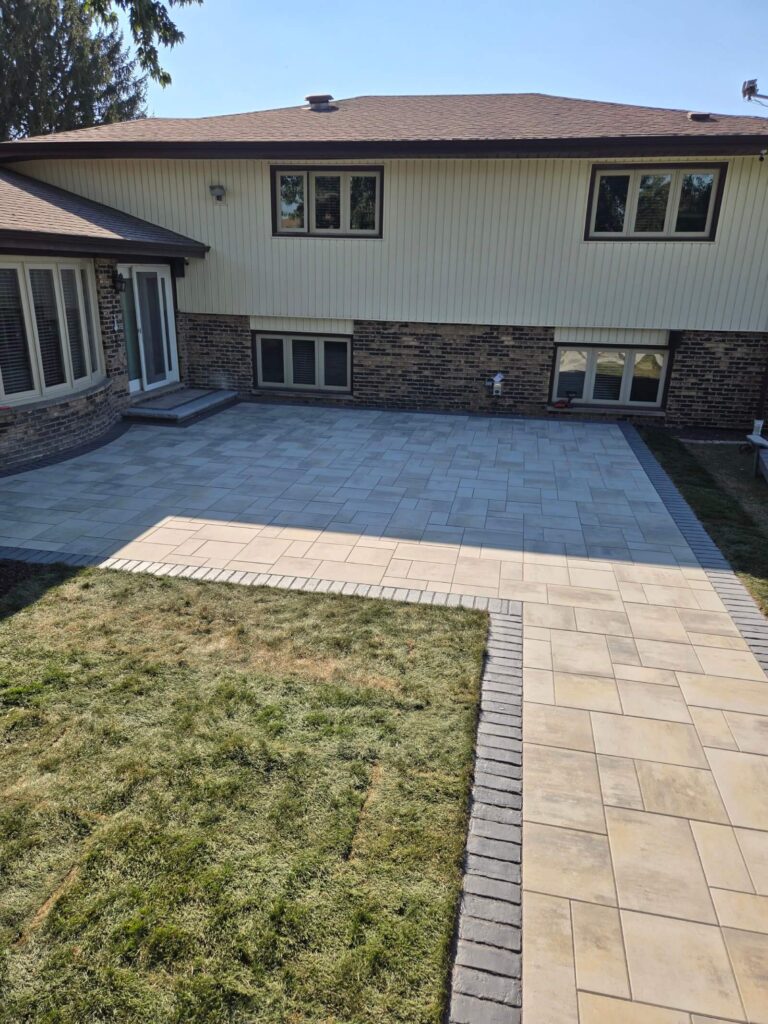
Asphalt Driveway Paving in Chicago
Asphalt is one of the most practical driveway surfaces for Chicago properties. It installs faster than concrete or brick. It handles freeze-thaw movement better than poured slabs. And when it’s laid on a proper compacted base, it holds up for 20 years or more before needing replacement.
Installation starts with excavation — removing the old surface and any unstable material underneath. Then a gravel base goes in and gets compacted in layers. Hot-mix asphalt is laid on top, typically in two lifts, and rolled smooth. The surface is ready for light foot traffic the same day and vehicle traffic within 24 to 48 hours.
The base is what separates a driveway that lasts from one that fails in five years. Ask any contractor you’re evaluating what base depth they’re using and why. If they can’t answer that clearly, keep looking.
Homeowners on Chicago’s Southwest Side replacing deteriorated concrete driveways are choosing asphalt for its faster installation and strong performance through harsh winters.
Asphalt Repair & Resurfacing in Chicago
A cracked or worn asphalt surface doesn’t always need to come out. If the base underneath is still solid, resurfacing is the smarter move. A new asphalt layer goes over the existing surface — no full excavation, no hauling away the old material, no starting from scratch.
Before the overlay goes on, damaged sections get repaired. Potholes are cut out and patched. Large cracks are filled. Edges that have broken down get rebuilt. Then the new surface layer is applied across the full area and rolled smooth. The result looks and performs like a new installation at a fraction of the cost.
If the base has failed — you’ll see large areas of alligator cracking, significant sinking, or soft spots that flex under vehicle weight — resurfacing won’t fix it. A contractor needs to assess the base before recommending repair versus full replacement. Don’t let anyone skip that step.
Many asphalt surfaces in suburbs like Elmhurst and Berwyn were installed in the 1990s. They’re showing wear but don’t need full tear-out yet. Resurfacing now extends the surface life another 10 to 15 years.
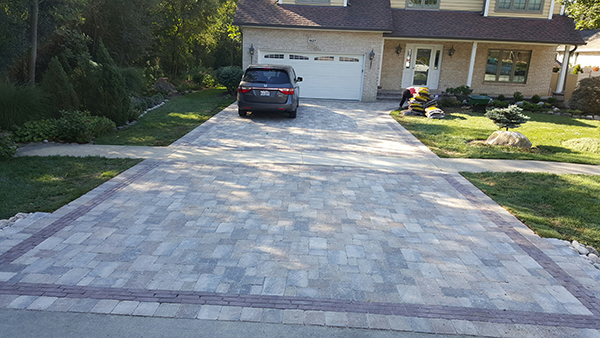
Ready to start your project? Contact us for a free estimate on any paving project in Chicago or the surrounding suburbs.
Parking Lot Asphalt Installation in Chicago
A parking lot takes more punishment than any residential driveway. Delivery trucks, heavy SUVs, and daily traffic load the surface over and over. If the base wasn’t built to handle that weight, the surface starts failing within a few years — no matter how good the asphalt on top looks at installation.
Proper parking lot construction starts below grade. The subgrade gets shaped and compacted. A gravel base goes in at the right depth for the expected load. Then asphalt is installed in lifts and compacted with heavy rollers. Slope is engineered into the design from the start — water needs a clear path off the lot and away from the building foundation.
A flat lot with no drainage plan is a problem waiting to happen. Standing water shortens asphalt life fast. In Chicago winters, that water freezes, expands, and breaks the surface apart from underneath.
Commercial properties along major corridors in Norridge, Des Plaines, and the Cicero Avenue area regularly replace lots that were built without adequate base depth or drainage. Getting it right the first time costs less than fixing it twice.
Line striping, ADA-compliant stall marking, and wheel stop installation are handled as part of the full project scope.
Commercial Asphalt Paving Projects in Chicago
Commercial asphalt projects aren’t just bigger versions of residential jobs. The load requirements are different. The drainage standards are stricter. The scheduling has to account for active businesses, operating hours, and minimal disruption to daily traffic.
A full commercial paving contract covers site preparation, subgrade work, base installation, asphalt paving, and any required surface markings. Everything gets documented before work begins — scope, materials, base specs, drainage plan, and timeline. A contractor who won’t provide that in writing before mobilizing isn’t ready for a commercial job.
Service drives, loading areas, access roads, and large multi-surface sites each have different base and drainage requirements. They shouldn’t all be built the same way. A commercial contractor scopes each element of the project separately and builds accordingly.
Large commercial paving projects near Chicago’s O’Hare corridor and along the I-55 business districts require contractors who can manage heavy equipment, coordinate with site supervisors, and deliver on schedule. Delays cost money. A contractor who has done this work before knows how to avoid them.
Asphalt Crack Filling & Sealing in Chicago

A small crack in asphalt is a maintenance issue. An ignored crack after a Chicago winter is a structural problem. Water gets into the crack, freezes, expands, and forces the crack wider. By spring, what started as a hairline has become a pothole or a failed section that needs patching.
Crack filling seals open joints before water gets in. The filler bonds to both sides of the crack and moves slightly with temperature changes — it doesn’t just sit rigid and break loose. After cracks are filled, sealcoating goes on top. Sealer protects the asphalt binder from UV oxidation, fuel and oil spills, and surface moisture. It also restores a clean, dark appearance to a surface that has faded and dried out.
Together, crack filling and sealcoating extend the life of an asphalt surface by years. It’s the lowest-cost maintenance move available — and the one most property owners skip until the damage is already done.
The best time to seal asphalt in Chicago is late summer or early fall. Temperatures are still warm enough for proper curing, and you get a full protected surface going into winter. Waiting until spring means the damage from one more freeze-thaw season has already happened.
Sealcoating is not a substitute for resurfacing a failed surface. If the asphalt has structural damage, that gets repaired first. Sealer goes on a sound surface — it protects it, it doesn’t rebuild it.
Frequently Asked Questions
A properly installed asphalt driveway lasts 20 to 25 years with basic maintenance. Parking lots under heavy commercial use typically need resurfacing after 15 to 20 years. Base quality and drainage are the two biggest factors. A surface built on a poor base fails in five to ten years regardless of the asphalt quality on top.
You can walk on fresh asphalt the same day. Vehicle traffic should wait 24 to 48 hours. Avoid turning your wheels while the vehicle is stationary — especially in the first two weeks. That tears the surface. In hot weather, asphalt stays soft longer. Give it more time before heavy use.
Crack filling repairs open joints in the asphalt. Sealcoating is a protective layer applied over the full surface. They do different jobs. Crack filling should always happen before sealcoating — sealer over an open crack doesn’t fix the crack, it just covers it temporarily.
Resurfacing works when the base is solid and the damage is limited to the top layer. If you see large areas of alligator cracking, significant sinking, or soft spots that flex under weight, the base has failed. That requires full excavation and replacement — not an overlay. A contractor should inspect the base before recommending either option.
Asphalt installation requires ground temperatures above freezing and stable weather conditions. Hot-mix asphalt cools and stiffens quickly in cold temperatures, which makes proper compaction difficult. The safe installation window in Chicago is typically April through October. Projects planned for spring should be scheduled early — contractor availability fills up fast once the season opens.
Every three to five years is the standard recommendation. Sealcoating too often — every year or two — builds up layers that crack and peel. Too infrequently and the asphalt binder dries out and oxidizes. Late summer is the best time to schedule it in Chicago.
GET A FREE ESTIMATE
Your asphalt isn’t getting better on its own. Every winter that passes without addressing cracks or worn sections means more damage, a bigger repair, and a higher cost to fix it.
We serve Chicago and the surrounding suburbs — including Norridge, Des Plaines, Elmhurst, Berwyn, Mount Prospect, Arlington Heights, Park Ridge, Hinsdale, Burr Ridge, and Lemont.
Call us: (773) 988-2353 Email: contact@europaving.com Address: 2210 W Chicago Ave, Chicago, IL 60622
Hours: Monday – Friday: 9:00 AM – 6:30 PM Saturday – Sunday: Closed
Call during business hours or request your estimate online at europaving.com. We’ll assess the surface, walk you through your options, and give you a straight answer on what the job requires.
No pressure. No runaround. Just an honest estimate from a contractor who knows Chicago asphalt.